Concrete Forms
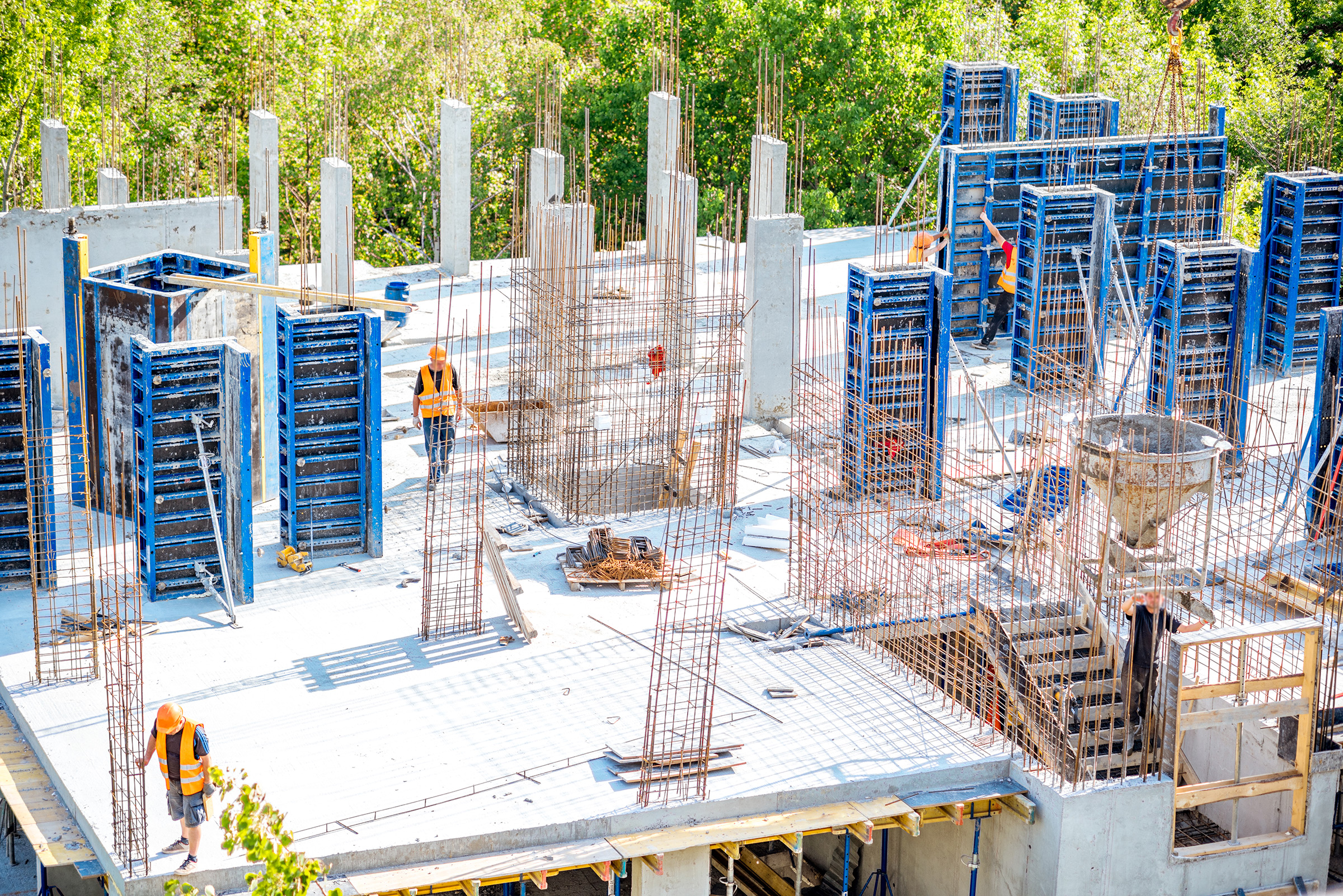
Ready-mixed concrete is the most widely used building material in the world and accounts for nearly 75% of all concrete used annually in the U.S. To get the most out of this material, contractors depend on the right forms to shape, support, and hold freshly poured concrete until it cures.
Your construction project in Idaho requires the right concrete forms to speed up the curing process and boost the strength and the finish of your structure. As a contractor, you will have to rely on different types of concrete forms, and this article will explain what they are. We will also discuss how to choose the right one based on your project size, budget, and design needs.
Let’s get started.
1. Wood Concrete Forms
Wood concrete forms are the oldest and most widely used option for small to medium projects. They are usually built from timber or lumber and can be cut, nailed, or adjusted easily on-site.
Wood forms:
- Are cost-effective (especially for short-term use).
- Can be customized for irregular shapes and layouts.
- Are lightweight and easy to handle without heavy equipment.
- Are best suited for residential driveways, sidewalks, or foundations.
However, wood absorbs moisture and may warp or shrink, which limits its reuse compared to more durable materials.
2. Plywood Concrete Forms
Plywood concrete forms are often paired with wood framing to create smooth surfaces. High-quality plywood sheets can withstand the weight and pressure of wet concrete better than regular wood.
These concrete forms:
- Offer a cleaner surface finish for walls and slabs.
- Can be reused several times with proper care.
- Are versatile and easy to cut for custom applications.
- Reduce gaps and joints, which improves the overall finish quality.
Plywood forms do require protection against water damage and may deteriorate faster in harsh conditions.
3. Steel Concrete Forms
Steel concrete forms are preferred for projects that demand strength, accuracy, and repeated use. These heavy-duty panels are built to last.
Steel forms:
- Provide uniform dimensions and smooth finishes.
- Are highly durable and resist warping, swelling, or shrinking.
- Can be reused hundreds of times, reducing long-term costs.
- Are especially useful for bridges, high-rises, and large commercial work.
Although they require a larger upfront investment, steel forms are cost-effective for long-term or large-scale projects.
4. Aluminum Concrete Forms
Like steel, aluminum concrete forms are strong and long-lasting but lighter to handle.
They are:
- Easy to set up and remove.
- Resistant to rust and corrosion, extending service life.
- Perfect for reusing many times.
- Relatively easy to transport.
Aluminum does have lower strength compared to steel, so it may not be the best for extremely heavy pours.
5. Plastic Concrete Forms
Plastic concrete forms are fast becoming popular thanks to their lightweight and reusable design. They are often modular, allowing panels to snap together quickly, which is one of the attractive features for contractors in Idaho.
These concrete forms:
- Are easy to assemble and require minimal tools.
- Work well for curved or decorative structures.
- Are resistant to moisture, chemicals, and corrosion.
- Perfect for multiple reuses and require little maintenance.
Plastic concrete forms are best suited for smaller projects, landscaping, or repetitive construction tasks where weight and ease of handling matter most.
6. Insulated Concrete Forms
Insulated concrete forms, also called ICFs, combine structure and insulation in one system. These stay-in-place forms are filled with concrete and remain as part of the wall.
Benefits include:
- They provide excellent energy efficiency by reducing heat transfer.
- ICF walls offer superior sound insulation and strength.
- These forms reduce construction time since the formwork does not need removal.
- They are perfect for residential homes and commercial buildings requiring high insulation.
ICFs may cost more initially but save money in long-term energy bills, making them a strong option for sustainable construction.
7. Slip Forms Concrete
Slip forms concrete refers to a continuous forming system. In Idaho and around the world, this construction technique is used to build large, tall structures like silos, bridge piers, and high-rise cores. The formwork slowly moves upward as concrete is poured, creating tall structures without breaks.
Slip forms:
- Provide uninterrupted pours and reduce weak joints.
- Speed up vertical construction compared to traditional methods.
- Offer consistent strength and finish quality.
Slip forms require skilled operators and careful planning, but are unmatched for large-scale vertical projects.
Choose the Right Concrete Forming System for Your Construction Project
Selecting the right concrete forming systems is a key decision for any contractor in Idaho. When you set out to collect supplies for your project, concrete forms should be at the top of your list.
But remember that each project has different needs, and the formwork directly affects your cost, quality, and efficiency. A well-chosen system can help you cut down labor, improve surface finishes, and strengthen your structure.
So, keep this in mind:
- Project Size and Complexity
A small residential driveway may only need wood or plywood forms, while a high-rise building or bridge often requires durable steel or aluminum forms. Large or complex projects demand formwork that provides both strength and consistency.
- Desired Finish Quality
If you want a smooth, uniform finish, steel or plywood may be the better choice. For decorative projects or custom shapes, plastic concrete forms are ideal since they are easy to mold and assemble into different designs.
- Budget and Material Availability
While wood forms are inexpensive up front, they may not last long. In contrast, steel and aluminum forms require a higher initial investment but can be reused many times, reducing your long-term costs. Availability of materials in your area may also influence the choice.
- Number of Reuses
If your projects involve repetitive pours, durable systems like steel or aluminum deliver better value. On the other hand, for one-time jobs, wood or plywood may be more practical and cost-effective.
- Environmental Conditions
Moisture, temperature, and chemical exposure affect the performance of the concrete forms you choose. Plastic and insulated concrete forms work well in the harsh weather of Idaho, while untreated wood may deteriorate quickly.
Speak with your concrete supplier and consider the local climate and site conditions to choose the right forms. Doing this now will help you avoid costly issues later.
Carefully review these factors to see which concrete forms best fit your project requirements and budget. The right decision reduces delays and prevents cost overruns, which is a common issue in the construction industry.
Get the Suitable Concrete Forms for Your Project
Concrete forms are the heart of every construction project, and knowing which one best suits yours helps you avoid delays, save money, and maintain the strength of the structure. Fortunately, you can choose from different types of concrete forms, including wood, plastic, steel, aluminum, and insulated materials.
Concrete Construction Supply provides all types of concrete forms to contractors across Idaho. We can also help you with other supplies, such as rebar fabrication and stampede concrete.
Need concrete forms? Call (208) 888-5600 or request a quote online today.


Share
Recent Posts
March 17, 2026
What Contractors Need to Know about Rebar Grades
Concrete can handle enormous compression, but without reinforcing steel it struggles under tension. That’s where rebar grades come in. The grade of reinforcing...
March 11, 2026
Top 7 Biggest Challenges When Building a Commercial Complex
A commercial building looks fairly straightforward on a site plan. A few boxes here, offices, retail space, perhaps a shopping center anchor. But...
March 5, 2026
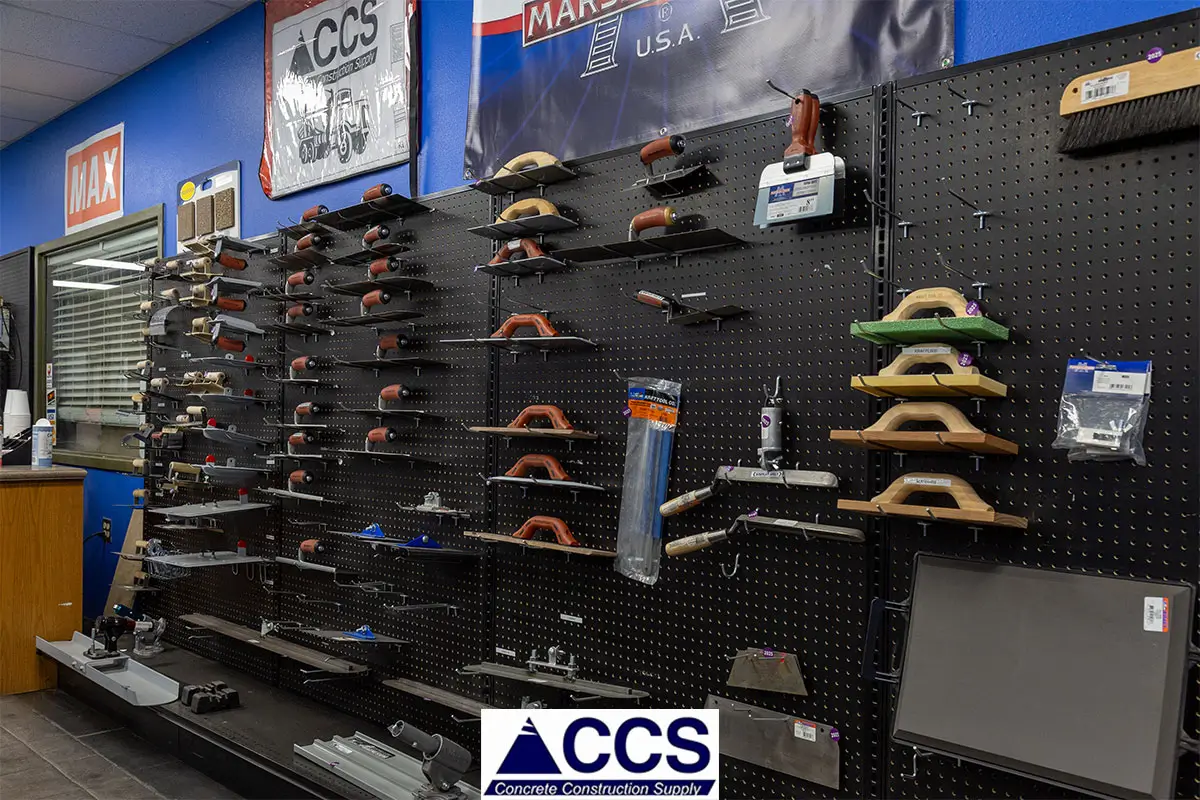
Must-Have Tools for Any Concrete Job
On a concrete job, you don’t get do-overs. Once the truck shows up, the clock starts running. Pours stall out when someone forgets...

