Concrete Construction Supplies

Let’s face it: a structure is only as stable as the materials used to build it. Quality construction supplies lead to quality results—both in appearance and long-term durability. Low-end materials won’t just cost you more money down the road; they can also create serious safety risks.
With so many materials on the market, choosing the right supplies can feel overwhelming. The good news is that once you know what to evaluate, the decision becomes much easier.
Below are ten practical things to keep in mind when purchasing concrete construction supplies.
1) On-Site Conditions
You can’t choose building materials without understanding the conditions they’ll face. Local weather and jobsite realities influence performance more than most people realize.
Consider factors like:
- Average annual temperature swings
- Rainfall and snowfall patterns
- Daylight exposure
- Ventilation needs
- Moisture levels and drainage conditions
The right construction supplies should match your climate and jobsite context. Otherwise, issues like moisture damage, temperature-related cracking, or premature material decay can show up later. In case you’re new to the construction scene, feel free to consult a seasoned construction material supplier for more information.
2) Material Costs
Affordable supplies aren’t always the best value. Lower-cost materials can lead to higher repair and replacement costs down the line. On the flip side, expensive branded products aren’t automatically the longest lasting.
The goal is simple: choose materials that are cost-efficient and reliable over the long term—within the realities of your budget.
3) Material Availability
Some construction supplies are region-specific and difficult (or expensive) to transport. If materials have to travel far, you may face:
- Higher freight costs
- Longer lead times
- Delays when you need to reorder
Whenever possible, prioritize locally available supplies so you can restock quickly and keep projects moving.
4) Aesthetic Appeal
Looks matter—especially for residential and visible commercial work. Materials influence the final feel of a space, from exterior finishes to interior details.
Ask yourself:
- What should the floors, walls, and windows look like?
- Do you prefer traditional styles or modern finishes?
- Are you aiming for a classic, high-end look or something more contemporary?
Clarifying this early helps you choose materials that match the vision, not just the specs.
5) Life of the Material
Not all materials handle corrosion, moisture, and environmental stress the same way. Durability impacts:
- Lifespan
- Maintenance costs
- Future repair needs
Concrete-related supplies are often chosen for their strength, versatility, and resistance to fire and water damage—but durability still depends on choosing the right product for your specific environment.
If longevity is a priority (and it should be), lean on supplier expertise to make the best choice.
6) Scope of the Project
The type of project affects the materials you should use. Residential work often has different requirements than commercial builds, including:
- Load demands
- Code requirements
- Finish expectations
- Budget structure
Define the scope clearly at the start so you can select materials that fit the project’s functional and financial needs.
7) Reliable Supplier
A strong supplier does more than sell materials—they help you avoid mistakes. A reputable supplier should provide:
- Consistent product quality
- Fair pricing
- Timely deliveries
- Product guidance based on real experience
Before choosing a supplier, do some due diligence. Reviews and testimonials can reveal a lot about reliability, service, and consistency.
8) After-Sales Support
Even great materials can run into issues. That’s why support matters. Good after-sales service helps you:
- Solve problems quickly
- Minimize downtime
- Protect the value of your purchase
Ask whether support includes spares, repairs, maintenance guidance, or replacement options. If it’s important, get the details in writing.
9) Required Maintenance
The easiest materials to live with are the ones that don’t demand constant upkeep. Routine maintenance can keep a building looking sharp, but frequent upkeep can become expensive—especially over years.
High-quality materials typically require less ongoing maintenance. A light touch-up now and then is ideal.
10) Sustainability
Sustainable materials help reduce environmental impact and may lower long-term costs. If sustainability is a priority, consider supplies that are recyclable, eco-friendly, or made with supplementary cementitious materials.
Common examples include:
- Fly ash
- Silica fume
- Rice husk ash
- Metakaolin
- Bamboo (in applicable construction uses)
- Earth-based materials (in applicable construction uses)
The Bottom Line
Getting the right construction supplies helps your project stay on track, and results in a build that’s safer, stronger, and better-looking long term. With so many options available, it’s easy to overthink. But once you evaluate the ten areas above, you can select materials with confidence.
Do you need concrete supplies in Idaho? Your search ends with Concrete Construction Supply! We offer some of the finest products and expertise in concrete construction, decorative concrete, and building supplies. And in case you need someone to handle a large-scale rebar job, we can do that too! Contact us today to learn more about our services.

Introducing MST-Bar: 5 Reasons to Use MST-Bar for Concrete Reinforcement

MST-BAR® Fiberglass Rebar: The Future of Reinforcement in ICF Construction
Concrete Construction Safety Checklist for Every Site

10 Most Common Rebar Installation Mistakes and How to Avoid Them

How to Choose the Right Concrete Sealer for Stamped Surfaces
Share
Recent Posts
February 18, 2026
Introducing MST-Bar: 5 Reasons to Use MST-Bar for Concrete Reinforcement
Concrete has always been a workhorse material in the construction industry. From foundations and slabs to retaining walls and large-scale concrete structures, it...
February 12, 2026
MST-BAR® Fiberglass Rebar: The Future of Reinforcement in ICF Construction
For many homeowners and builders today, construction choices start with insulated concrete forms and extend all the way down to what’s reinforcing the...
February 7, 2026
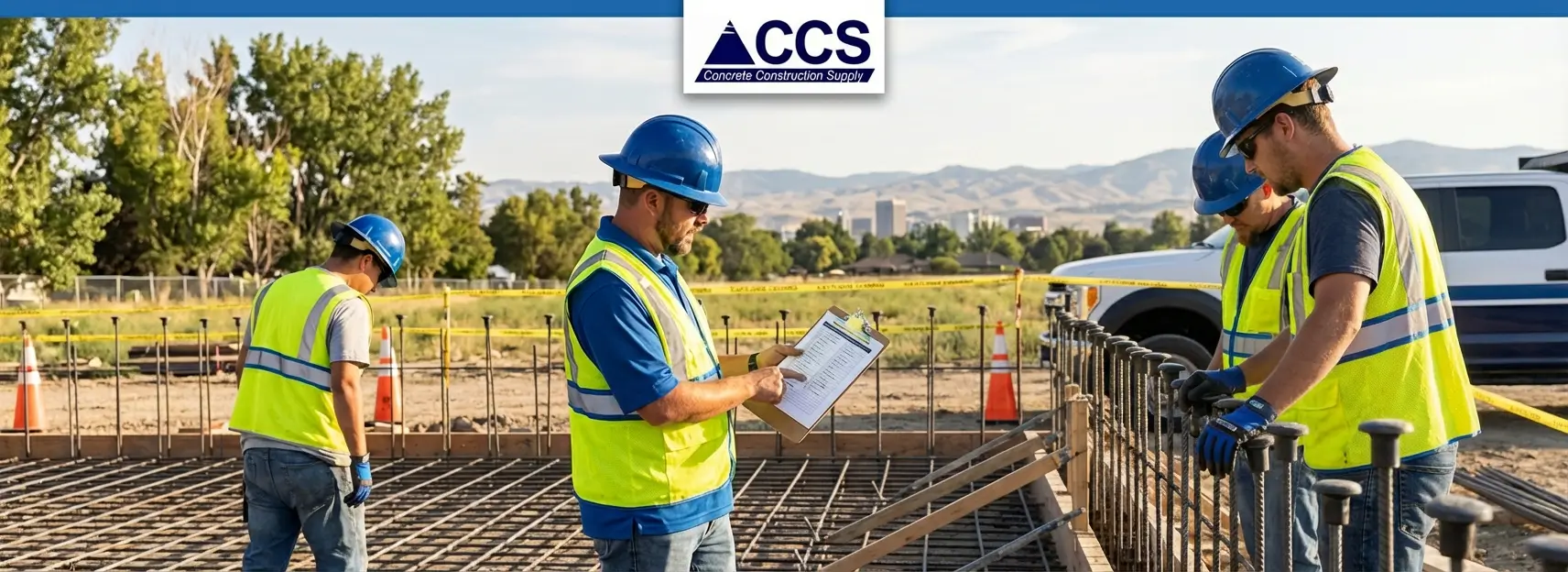
Concrete Construction Safety Checklist for Every Site
Key Takeaways: Concrete construction is one of the most demanding and hazardous activities in the building industry. From handling heavy materials to working...

