
Construction Tips
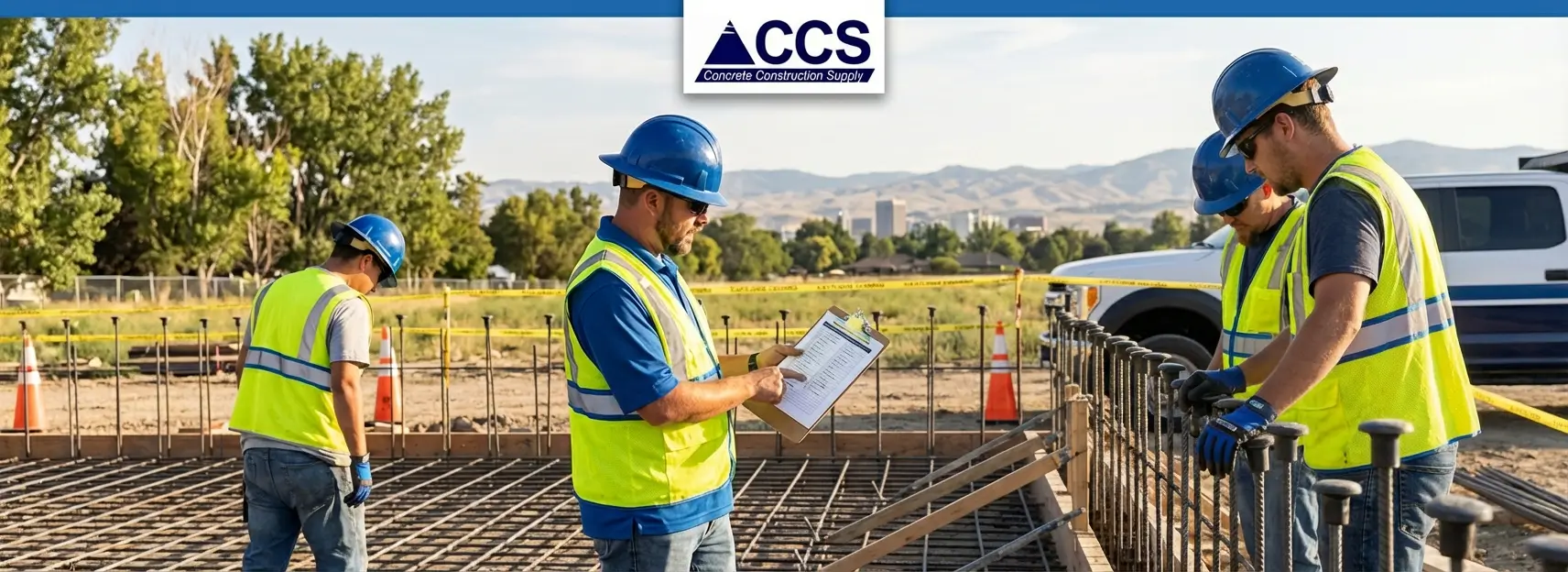
Key Takeaways:
- A clear, concrete construction safety checklist helps crews spot risks early, reduce injuries, and keep work moving without delays.
- Daily walkthroughs, equipment checks, and proper formwork inspections protect workers from the most common concrete jobsite hazards.
- Consistent PPE use, fall protection, and hazard signage reduce preventable injuries and OSHA violations.
- Regular training, toolbox talks, and open reporting build shared responsibility across the crew.
- Reviewing and updating safety checklists keeps sites aligned with changing conditions and current OSHA standards.
Concrete construction is one of the most demanding and hazardous activities in the building industry. From handling heavy materials to working with powerful equipment, safety must always be the top priority to keep projects running smoothly and efficiently.
Construction work is still one of the most injury-prone sectors in the country. Data provided by the U.S. Bureau of Labor Statistics recorded about 173,200 nonfatal work-related injuries and illnesses in construction in 2023. Even though construction is slightly safer than before, concrete and masonry workers are still more likely to get hurt than most other construction workers.
That is where a strong safety checklist makes a real difference. This can be a practical tool designed for the real challenges, real hazards, and real people on your crew.
Let’s break down the essentials for all concrete construction supervisors, workers, and safety managers to put people first, every day, on every jobsite. Musculoskeletal injuries are common in concrete work due to the physically demanding nature of the tasks involved.
Why Concrete Construction Safety Matters
Concrete construction comes with hazards that are very real, but many can be prevented with careful planning and consistent habits. Falls from height, being struck by equipment or materials, formwork collapse, and exposure to cement dust are risks your crew faces every day on the jobsite.
In our experience, we’ve seen workers forgetting to wear eye protection when mixing concrete or neglecting proper lifting techniques. These are things that seem minor until an accident happens. These overlooked hazards can cause serious injuries if not addressed daily.
These are just some of the concrete safety hazards present in construction, and workers are also exposed to health risks from hazardous materials such as cement, concrete admixtures, and chemicals. Taking proper precautions, such as using protective equipment and following safe handling procedures, is essential to prevent these health risks.
Common Hazards on Concrete Sites
Working with concrete presents various health and safety hazards, making it crucial for workers to be aware of the risks and take precautions. Common risks include:
- Skin irritation, chemical burns, and concrete burns from contact with wet or dry concrete
- Lung damage from inhaling silica dust
- Injuries from handling heavy forms or bracing, such as crushed hands or feet
- Slips and falls due to slick or unstable surfaces, especially in changing weather
- Accidents from poorly maintained shoring or inadequate safety measures
Wash any areas of skin that come in contact with concrete immediately to reduce irritation and burns.
The Real Cost of Unsafe Practices
Neglecting safety doesn’t just slow a project down; it affects real people and real families. In 2024, injuries in the U.S. construction industry cost nearly $13 billion, including medical bills and lost wages. One missed step on a checklist isn’t just a minor oversight; it can lead to OSHA citations, project delays, or, worst of all, someone getting hurt. Neglecting safety can also expose workers to serious health risks, such as respiratory issues from airborne dust and hazardous materials.
Safety is not paperwork; it is looking out for your crew and making sure everyone goes home safe at the end of the day.
Regulatory Standards Overview
OSHA mandates active hazard prevention plans (29 CFR 1926.20(b)), regular safety meetings (29 CFR 1926.21(b)(2)), and thorough documentation for every jobsite.
In simple terms, this means employers must identify dangers on the job, hold frequent safety talks to keep everyone informed, and keep written records of their safety efforts.
Additionally, many states require site-specific safety programs for larger projects, which are custom safety plans that address the unique risks of each jobsite. Adhering to these standards not only protects workers but also prevents costly penalties or project delays.
Building a Concrete Construction Safety Checklist
A checklist must fit the project, site, and local code. One generic list won’t protect the crew week after week. Instead, build a flexible document you can update as work conditions change.
Pre‑Project Hazard Planning
Start before work begins. Walk the site with supervisors and lead hands to spot hazards like uneven ground, restricted access, and buried utilities. Planning should also address safe handling of construction materials and concrete production processes, so you can customize your checklist to the real risks your crew will face and build a safer workflow from day one.
Daily Jobsite Walkthroughs
Check the site every morning. Look for tripping hazards, unsecured tools, or materials left in walk paths. On many jobs, conditions change daily, and addressing small risks early prevents more serious problems later.
Equipment Inspection and Maintenance
Inspect all machinery, excavators, mixers, lifts, and power tools each day before use. Tag unsafe equipment clearly and remove it from service until it is fixed.
In 2024, OSHA’s construction enforcement data showed tens of thousands of citations for failures tied to equipment, ladders, and protective gear, underlining the need for strict inspection routines.
Use mechanical aids such as hand trucks and forklifts to move heavy materials and minimize poor ergonomics. This helps prevent musculoskeletal injuries in concrete construction.
Always use proper lifting techniques to prevent musculoskeletal injuries, back injuries, sprains, and strains when handling concrete or other heavy construction materials.
Formwork and Shoring Safety
Check every form, brace, and anchor point before loading. Weak or unstable formwork has led to serious jobsite accidents; confirming strength before stripping forms protects workers and improves quality. Making this part of your checklist helps crews spot issues before weights are applied.
Personal Protective Equipment (PPE)
Your team should be equipped with proper gear. PPE is required to protect workers from common hazards like flying debris, heavy materials, and noise.
OSHA’s 2024 violation data continually shows PPE standards among the most cited, reminding us how often basic gear is overlooked.
Fall Protection Measures
Falls remain a leading hazard in construction. In 2023, about 39.2% of fatal construction injuries were caused by falls, slips, and trips, with many occurring at elevations between 6 and 30 feet. Your checklist should include guardrails, harnesses, and secure walking surfaces whenever crews work above ground.
Hazard Signage and Utility Marking
Use clear signage for electrical risks, trip points, excavation edges, and other site hazards. Contact utility marking services before excavation so lines are located and marked. Visible warnings help crews see danger zones at a glance.
Emergency Response Planning
List evacuation routes, first‑aid access points, and local emergency contact numbers in your safety checklist. Practice emergency drills with your team quarterly so everyone knows what to do when every second matters.
Toolbox Talks and Ongoing Training
Hold brief weekly talks focused on current hazards and near misses. Share real examples from your site to make safety discussions relatable. Training keeps your checklist items at the front of mind and encourages workers to stay alert.
Documentation and Continuous Review
Record every safety check, inspection, and toolbox talk. Review your checklist at least twice a year, or whenever work conditions change, to reflect lessons learned and new regulatory guidance. This ongoing review helps you keep pace with real site conditions and keeps safety practices fresh.
Key Safety Measures for Concrete Construction
Concrete safety comes down to three things: equipment, materials, and people. When all three are handled with care and consistency, jobsites stay safer, and work moves forward without unnecessary setbacks. Strong daily habits around these basics help protect everyone on site.
Recognizing concrete safety hazards and health risks, such as exposure to hazardous chemicals and airborne substances like crystalline silica dust, is essential. Using proper PPE, including alkali-resistant gloves and eye protection, is critical to minimize these risks and prevent injuries.
Safe Handling of Formwork and Shoring
Formwork and shoring demand close attention every day. Always rely on engineered drawings and stamped calculations, not assumptions. Inspect panels, bracing, and anchorage points before each use, and make stabilization checks routine after severe weather or shift changes.
It is important to use warning signs to clearly mark hazardous areas, such as fall zones, especially when pulling vertical forms. Cap all vertical rebar with protective plastic caps to prevent injuries from impalement.
Forms should never be stripped until concrete reaches verified strength through cylinder testing. These steps protect crews from sudden failures that can happen without warning.
Equipment Inspection and Maintenance
Every tool and piece of equipment on site plays a role in safety. From excavators and trucks to hand trowels and lifts, each item should follow a documented inspection routine every shift. It is especially important to inspect and safely operate concrete mixers and concrete buckets, as improper handling can lead to caught-in or crushed-by incidents.
When equipment isn’t safe, repairs or lockout tags should be clear and visible. Using HEPA vacuums and local exhaust ventilation helps control dust and protect workers’ respiratory health during concrete construction activities.
Additionally, wet methods should be used to suppress silica dust during cutting, grinding, or drilling concrete. Working with rental suppliers that meet OSHA and local standards adds another layer of confidence that tools are job-ready.
Personal Protective Equipment Use
PPE protects workers from the risks they face every day. Long sleeves, alkali-resistant gloves, safety glasses, hard hats, respirators, and sturdy, waterproof boots are essential for concrete construction safety. Safety glasses should be worn to prevent concrete from splashing in your eyes. A hard hat protects your head from falling objects and bumps.
Respirators protect your lungs from concrete dust and dirt. Sturdy, waterproof boots should be worn to prevent wet cement from getting inside. Concrete workers should wear alkali-resistant gloves to protect against caustic materials, as exposure to harmful chemicals in cement can cause severe skin injuries, including third-degree burns.
Personal protective equipment (PPE) for concrete work includes heavy-duty waterproof gloves and slip-resistant boots. Eye protection, like goggles, should be worn when mixing, pouring, or during other concrete work activities that may endanger the eyes.
When kneeling on fresh concrete, use a dry board or waterproof kneepads to protect knees from wetness. When using tools such as a bull float to finish concrete surfaces, always wear appropriate PPE to prevent injuries. High-visibility vests and fall protection systems, including proper tie-off points, are especially important on busy or multi-level sites. Keeping PPE bins easy to find and fully stocked helps crews stay protected without slowing work.
Lessons Learned from the Field
Experience on the jobsite has taught crews that safety is more than just following rules. It’s about constant vigilance.
Here are some practical lessons learned from real-world concrete construction projects:
- Never assume equipment is safe without inspecting it yourself.
- Always double-check PPE before entering the work zone.
- Communicate clearly about hazards, especially during shift changes.
- Address minor hazards immediately before they escalate.
- Take regular breaks to avoid fatigue-related mistakes.
Site Preparation and Hazard Prevention
A well-prepared site prevents many injuries before work even begins. On construction sites, maintaining dust-free areas is crucial for worker health, providing safe spaces for eating and drinking away from harmful concrete dust. Clean surfaces, clear paths, and organised staging areas create safer conditions for everyone.
Slips, trips, and falls are common hazards on construction sites, so prevention strategies such as proper housekeeping and hazard identification are essential.
Additionally, implementing mandatory hydration breaks and providing shade helps prevent heat stress during concrete construction.
Clear Access and Secure Perimeters
Delivery routes and walkways should stay free of debris and equipment. Fencing and signage at every entry point help control access and guide movement. During large pours or crane operations, flaggers and spotters play a key role in keeping crews out of harm’s way.
Hazard Identification and Signage
Clear, visible signage helps crews spot danger quickly. Identifying safety hazards and using warning signs to mark them is essential for protecting workers and maintaining a safe job site. Mark trip hazards, electrical risks, and restricted areas as work progresses.
Updating signs as site conditions change keeps warnings relevant. Color-coding new hazards on a regular schedule can make risks easier to recognize at a glance.
Utility Marking and Ground Checks
Underground utilities should be located and marked well before excavation begins, especially in high-traffic areas. For deep cuts or heavy footings, ground-penetrating radar can add an extra layer of protection. After storms or freeze-thaw cycles, ground stability should always be confirmed before work continues.
Worker Training and Communication
Safety works best when crews understand both the risks and the reasons behind each checklist step. Training matters most when it connects directly to what workers see and experience on the site. Many safety resources, including safety talks, articles, and videos, are available in both Spanish and English to support risk management and safety training.
When using chemicals to finish concrete, workers should always read the safety data sheets (SDS) to understand potential hazards and safe handling procedures. It is also important for workers to communicate with other employees and supervisors about any safety concerns or hazards they encounter on the job.
Toolbox Talks and Briefings
Short, focused toolbox talks once a week keep safety top of mind. Sharing real examples from recent jobs helps lessons stick. Asking crews what feels like “the most important thing” for their tasks encourages engagement and builds trust across the team.
Reporting and Addressing Concerns
Workers should feel comfortable raising safety questions or concerns without fear of pushback. Assigning one or two go-to contacts for safety issues makes reporting simple. Tracking concerns in a basic log helps teams spot patterns and fix problems early.
Documentation and Records
Accurate records support consistency. Track attendance at safety meetings, record checklist sign-offs, and save photos of corrected hazards. New hires should learn documentation procedures on day one so expectations stay clear.
Continuous Improvement and Safety Culture
No checklist replaces a culture that values safety every day. Regular reviews and open conversations help teams learn and improve.
Reviewing Incidents and Near Misses
After any injury or close call, bring the team together to talk through what happened and why. Keeping the discussion honest and blame-free encourages learning. Updating checklists based on these conversations helps prevent repeat issues.
Updating Safety Checklists Regularly
Formal checklist reviews should happen at least twice a year or after major project phases. Changes in weather, equipment, or regulations can affect site conditions, and checklists should reflect that reality.
Fostering Accountability Among Teams
When leadership at every level takes safety seriously, crews follow suit. Sharing lessons learned and recognizing safe practices across teams reinforces accountability and keeps safety part of daily work.
Make Safety the Strongest Thing You Build
Every project begins with a plan, but it only succeeds when people are protected along the way. When safety comes first, crews work confidently, schedules stay on track, and everyone goes home safe.
You can’t control every risk on a jobsite, but you can control preparation. A simple, well-used safety checklist helps reduce injuries, limit delays, and keep work moving without cutting corners.
If you are looking for practical safety tools or ready-to-use checklists for your next concrete project, Concrete Construction Supply is here to help. Let’s make safety part of the work, every pour and every shift.
Contact us today to learn more.
FAQs
1. Why does every site need a concrete safety checklist?
A checklist keeps safety consistent. It helps crews spot risks early, stay organized, and follow OSHA requirements without guesswork.
2. What hazards should a concrete safety checklist cover?
Falls, unstable formwork, dust exposure, heavy equipment, unmarked utilities, and trip hazards should all be addressed every shift.
3. How often should checklists be reviewed or updated?
Review them before new project phases and at least twice a year to match changing site conditions and regulations.
4. Who should handle jobsite safety records?
Project supervisors or safety leads manage records, but team leaders should review daily logs so nothing gets overlooked.
5. What safety gear should crews always have available?
Hard hats, gloves, eye protection, hearing protection, fall protection, boots, and high-visibility vests should be standard on every site.
6. Where can crews find safety checklist guidance?
OSHA offices, industry associations, and trusted suppliers offer reliable templates and guidance that can be adapted to each job.
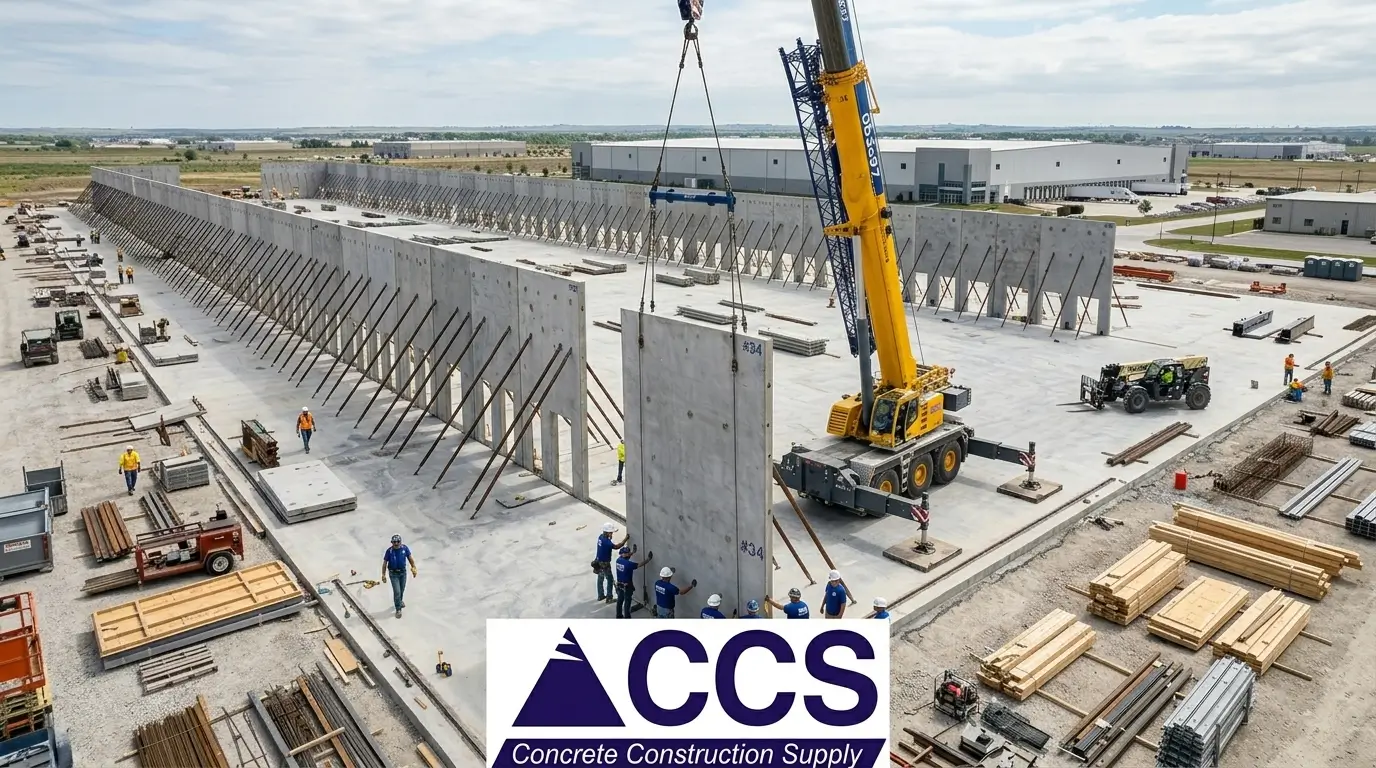
How Tilt Wall Panels Improve Efficiency and Reduce Labor in Large-Scale Projects?

Stamped vs Decorative Concrete: What’s the Difference?

What Is the Role of Prefabricated Rebar Cages in Modern High-Rise Construction
How Tilt-Up Construction Works and What Makes it a Popular Choice in a Commercial Building
A Comparison of MST-BAR Fiberglass vs Traditional Steel Rebar
Share
Recent Posts
May 3, 2026
How Tilt Wall Panels Improve Efficiency and Reduce Labor in Large-Scale Projects?
Key Takeaways: On large commercial job sites, every day that’s lost takes a toll on the budget. For contractors and developers managing warehouses,...
April 22, 2026
Stamped vs Decorative Concrete: What’s the Difference?
Key Takeaways: In a one-on-one comparison of stamped vs decorative concrete, “scope” is the biggest difference. Keep in mind that stamped concrete is...
April 18, 2026
What Is the Role of Prefabricated Rebar Cages in Modern High-Rise Construction
Key Takeaways: What if one decision could shave weeks off your high-rise timeline, without sacrificing structural integrity? Prefabricated rebar cages play a central...

