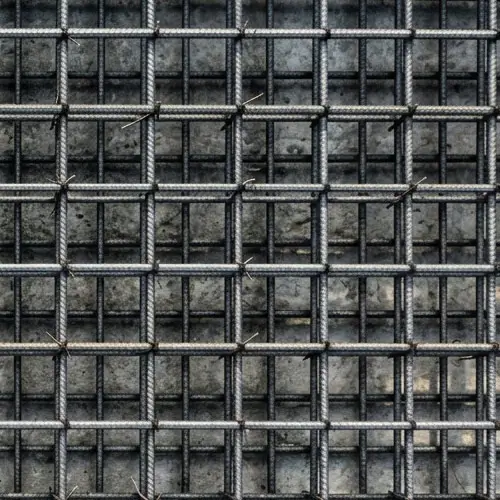
Rebar

Key Takeaways:
- Prefabricated rebar cages speed up high-rise construction by reducing on-site labor and assembly time.
- They improve precision, stability, and quality control compared to tying individual bars in place.
- Rebar cages are built off-site, transported, and installed with cranes for faster project timelines.
- Using prefabricated cages cuts costs, errors, and overcrowding risks during rebar cage installation.
- Ideal for columns, floors, and structural elements in modern high-rise projects.
- Contractors benefit from better safety, less waste, and reliable prefabricated building components.
What if one decision could shave weeks off your high-rise timeline, without sacrificing structural integrity?
Prefabricated rebar cages play a central role in modern high-rise construction because they streamline the reinforcement process. These are pre-assembled steel structures, and they are designed to replace the tedious, time-consuming, on-site tying of individual bars. It’s a matter of precision and speed, bolstering complex projects and expediting the process without skimping on the quality factor.
As far as commercial builders and engineers are concerned, this shift means fewer errors, lower labor needs on-site, and a much stronger structural outcome. On so many of these major construction projects, especially fast-paced high-rise builds, prefabricated cages keep the timeline tight and the overall budget in line with original expectations.
Idaho and Northwest developers face unique challenges throughout the construction business, including tight schedules and harsh weather. Local suppliers, like our team at Concrete Construction Supply, provide the rebar and expertise to make prefab cages a major boost for regional projects.
What Are Prefabricated Rebar Cages?
Prefab cages are pre-assembled frames of steel rebar tied or welded into precise shapes for concrete reinforcement. They are built in fabrication shops, matching the exact project drawings for columns, beams, walls, and foundations.
Unlike traditional methods, where crews tie individual bars on site, these cages arrive on the scene ready to lift into position, saving everyone an extensive amount of time and effort. Though the rebar grade and size of those bars still needs to match the structural drawings exactly, making it worth reviewing before placing the fabrication order. It also helps eliminate overcrowding, missed dimensions, and the necessity of re-detailing delays that turn hyper-stressful projects into a slog.
The cage manufacturing process uses advanced tools for accuracy. Steel bars are cut, bent, and secured to exact specs. This guarantees the structural strength and stability before the cages ever reach the site.
For high-rise projects, prefab cages simplify complicated designs, handling the complexity of multi-story columns and floors and providing reliable, prefabricated building components that fit into place seamlessly.
Benefits for High-Rise Construction
Prefabricated cages transform high-rise construction, drastically improving speed, cost, and quality. They cut rebar cage installation time by up to 33%, allowing crews to focus on pouring concrete instead of dealing with assembly.
The labor savings are huge, with fewer workers tying rebar on site, reducing exposure to heights, heavy lifting, and injuries.
Precision is another advantage. Factory-controlled builds produce exact dimensions, no overcrowding, and fewer errors from weather or fatigue. Engineers benefit from the knowledge that specs are met every time. Less waste, shorter crane time, and faster floors mean projects finishing ahead of schedule, and that’s a victory for everyone involved.
The Fabrication and Installation Process
The cage manufacturing process begins with detailed drawings, then fabrication shops cut and bend steel bars, tying or welding them into cages using jigs for perfect alignment. Fabrication shops cut and bend steel bars, tying or welding them into cages using jigs for perfect alignment. The same precision work that rebar fabricators and detailers bring to every commercial project, whether the reinforcement ends up in a prefab cage or placed bar by bar.
Once complete, the cages are inspected, labeled, and transported to the site. Cranes will then lift them into place for columns or slabs, where crews secure them without the need for threading individual bars.
Rebar cage installation is straightforward: position, brace, and pour. That’s it. It’s a rebar installation method that expedites floor construction while reducing labor hours dramatically.
Quality checks happen throughout the entire process, from shop welding to site placement.
Advantages Over Traditional Methods
Since traditional rebar work involves tying steel bars into shape, it’s prone to errors, weather delays, and overcrowding the site. Prefabricated cages solve those issues with factory precision, delivered to the site.
Prefab cages cut time on-site by simplifying the placement process. No more sorting bundles or following complex drawings. Prefab cages cut time on-site by simplifying the placement process. No more sorting bundles or following complex drawings. They also reduce the risk of common rebar installation mistakes like incorrect spacing, wrong cover depth, or bars shifting during the pour. Color-coded layouts let even less-skilled crews set and secure fast.
Strength is also an improvement. Consistent ties and alignments boost the concrete bond and durability. This matters a lot for high-rises, where every joint will handle a massive load.
Safety naturally improves with less time on the worksite, less dealing with heights, less tying, and fewer trips back and forth with steel.
Applications in High-Rise Projects
Prefabricated rebar cages shine in high-rise concrete construction projects, especially where columns are concerned, since they transfer loads across floors. They make sure the alignment is perfect for slabs and walls.
In high-rise buildings, cages speed up the vertical progress. Pre-made units for core columns or shear walls keep the concrete pours rolling in, minimizing the delays between each level.
Beyond high-rises, they work well for bridges, parking structures, and foundations. Any project that needs precise rebar in tight spaces benefits from prefabricated building components.
Developers love the scalability, with larger cages for bigger columns and custom sizes for unique configurations. It’s a level of versatility that simply fits the needs for advanced construction materials.
Challenges and Solutions
Prefab cages aren’t entirely perfect, however. The larger cages still require extensive planning, transport, and site access for cranes. Overcrowding risks exist if designs aren’t fully optimized. Fortunately, shop reviews generally catch these issues early on.
Upfront costs will often seem a bit higher at first, though the savings in labor, time, and less rework surpass that particular negative. Solutions include partnering with reliable, expert fabricators. In Idaho, suppliers like Concrete Construction Supply offer rebar expertise and custom prefabricated rebar options for local projects.
Future of Prefab Rebar in Construction
Prefabricated rebar cages are set to grow as high-rise demands continue to head north as well. With modular building and off-site trends, they simply line up perfectly with faster, greener projects.
Tech like BIM integration refines designs, cutting down errors even more. Engineers and builders will rely more on prefab cages for precision and speed.
Sustainability benefits too, with less waste, efficient steel use, and shorter sites, meaning lower emissions. It’s a push in the right direction for smarter high-rise construction projects.
Partner with CCS for Your Rebar Needs
Are you ready to boost your high-rise project with prefabricated rebar cages? Concrete Construction Supply in Idaho and the Northwest stocks premium rebar, offers fabrication support, and delivers fast to your site. Contact Concrete Construction Supply today for custom rebar cages, steel supplies, and expert advice customized to your particular project, on your time, and within your budget.
How Rebar Tying Experts Improve Safety and Accuracy on Complex Concrete Projects

Modern Concrete Construction Techniques That Improve Project Efficiency
Why Are More Contractors Choosing MST Rebar Over Traditional Steel Rebar?
What Type of Concrete Form is Best for Walls, Slabs, and Foundations?

7 Benefits of Using Modular Concrete Forms for Faster and More Efficient Projects
Share
Recent Posts
June 19, 2026
How Rebar Tying Experts Improve Safety and Accuracy on Complex Concrete Projects
Key Takeaways: On a complex concrete project, a single misplaced or improperly tied rebar connection is enough to compromise the entire structural integrity...
June 1, 2026
Modern Concrete Construction Techniques That Improve Project Efficiency
Concrete construction has changed dramatically over the last decade. Contractors across Idaho and the Northwest are under pressure to complete projects faster, manage...
May 19, 2026
Why Are More Contractors Choosing MST Rebar Over Traditional Steel Rebar?
Key Takeaways Generally speaking, steel rebar has been the go-to option in concrete reinforcement for generations. However, being the “go-to option” doesn’t mean...