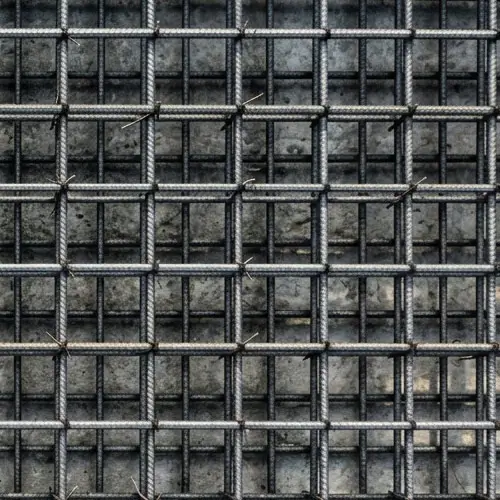
Rebar
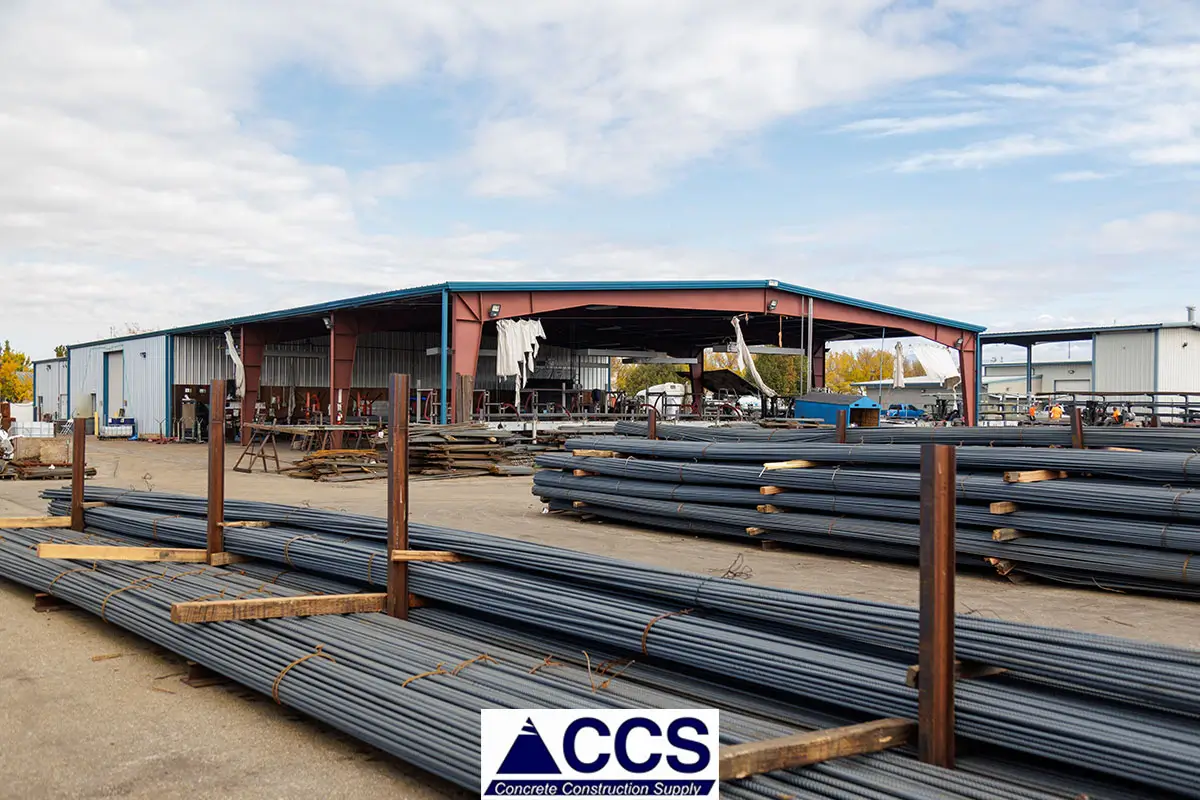
Concrete can handle enormous compression, but without reinforcing steel it struggles under tension. That’s where rebar grades come in. The grade of reinforcing bar determines how much load the steel can carry before it begins to deform, making it one of the most important specifications in reinforced concrete construction.
Rebar may feel like a commodity on the job site, but it sits inside one of the largest material industries in the world. According to the American Iron and Steel Institute, U.S. steel mills shipped about 87 million net tons of steel a year, with construction remaining one of the largest end-use markets for those products.
A significant portion of that steel ends up in reinforced concrete projects, from foundations and slabs to bridges and high-rise structures.
For contractors, understanding rebar steel grades helps prevent ordering mistakes, avoid inspection issues, and keep projects moving. While engineers ultimately specify reinforcement requirements for structural integrity, builders, estimators, and suppliers still need a working understanding of how the different grades of rebar compare in the field.
In this guide, we’ll cover:
- What rebar grades mean and how they are defined
- The differences between Grade 40, Grade 60, Grade 75, and Grade 80 rebar
- A quick rebar grade chart for easy comparison
- How rebar grades and sizes work together in reinforced concrete
- Practical tips contractors use to choose the right rebar grade for a project reinforcing steel bars
Understanding these fundamentals helps contractors make better purchasing decisions, coordinate with engineers, and keep projects moving without costly surprises.
What Are Rebar Grades?
Rebar grades identify the strength of reinforcing steel used in concrete construction. The grade number refers to the bar’s minimum yield strength, measured in pounds per square inch (psi). Yield strength describes the point at which steel begins to permanently deform under stress.
For example, Grade 60 rebar has a minimum yield strength of 60,000 psi, meaning it can handle that level of stress before bending or stretching permanently. But strength grade alone doesn’t determine longevity in corrosive environments, which is why corrosion protection is a parallel specification decision, not an afterthought. Higher grades such as Grade 75 or Grade 80 are designed to handle even greater loads, which can allow engineers to use fewer bars or smaller reinforcement cages in certain structural designs.
While engineers ultimately determine the reinforcement required for a project, contractors and suppliers must still verify that the correct rebar grade is ordered, delivered, and installed according to the plans.
How Rebar Sizes and Grades Work Together
Rebar strength is only one part of the equation. Engineers also specify rebar sizes, which refer to the diameter of the reinforcing bar. These sizes are typically designated using numbers such as #3, #4, #5, and so on.
Each size corresponds to a specific bar diameter. For example:
- #3 rebar – 3/8 inch diameter
- #4 rebar – 1/2 inch diameter
- #5 rebar – 5/8 inch diameter
- #6 rebar – 3/4 inch diameter
When combined, rebar grades and sizes determine the total reinforcement capacity inside a concrete element. A structure might use larger bars with a lower grade, or smaller bars with a higher grade, depending on the design calculations.
Because both factors influence structural performance, contractors must confirm that the correct rebar grade and bar size match the project drawings and approved submittals before installation.
ASTM Standards That Define Rebar Grades
In the United States, modern rebar steel grades are governed by standards published by ASTM International. These standards define the mechanical properties, chemical composition, and manufacturing requirements for reinforcing steel used in construction.
Some of the most common ASTM standards include:
- ASTM A615 – Standard carbon steel reinforcing bars used in most construction projects
- ASTM A706 – Low-alloy rebar designed for improved weldability and seismic performance
- ASTM A1035 – High-strength, corrosion-resistant reinforcing steel
Though for projects where corrosion is the primary concern, GFRP alternatives like MST rebar eliminate the corrosion risk entirely rather than just slowing it down.
Rebar bars are typically stamped with markings that identify the manufacturer, bar size, steel type, and rebar grade, and verifying those markings against the shop drawings is part of what rebar fabricators and detailers do before a single bar leaves the shop. Inspectors rely on these markings and mill certifications to confirm that the materials used on a project meet the required specifications.
Rebar Grade Chart (Quick Comparison)
Before getting into specifications and applications, it helps to see how the most common rebar steel grades compare side by side. The grade number refers to the bar’s minimum yield strength, measured in pounds per square inch (psi). In simple terms, the higher the grade, the more stress the steel can handle before it begins to permanently deform.
Below is a quick rebar grade chart showing the most common grades used in construction across the United States.
| Rebar Grade | Minimum Yield Strength | Common Bar Sizes | Typical Applications |
| Grade 40 | 40,000 psi | #3–#11 | Light residential slabs, sidewalks, small structural elements |
| Grade 60 | 60,000 psi | #3–#18 | Most commercial buildings, foundations, bridges |
| Grade 75 | 75,000 psi | #6–#18 | Structural columns, heavy civil projects |
| Grade 80 | 80,000 psi | #6–#18 | Infrastructure, high-load structural applications |
Among these grades of rebar, Grade 60 rebar is the most widely used in modern construction. It offers a strong balance of strength, availability, and cost, which is why it appears in everything from residential foundations to large commercial structures.
Higher grades such as Grade 75 and Grade 80 rebar are typically used where engineers need greater strength with fewer bars, helping reduce reinforcement congestion in columns, beams, or bridge structures.
While this chart provides a quick reference, selecting the right rebar grade depends on several factors including design loads, building codes, seismic requirements, and installation considerations.
Common Grades of Rebar Used in Construction
Most concrete reinforcement projects in the United States rely on a small group of standard rebar grades. These grades are defined by their yield strength and are selected based on the structural demands of the project.
While engineers determine the exact reinforcement requirements, contractors regularly encounter the same core grades of rebar across residential, commercial, and infrastructure construction.
Below are the most common rebar steel grades used in the field and where each typically appears.
Grade 40 Rebar
Grade 40 rebar has a minimum yield strength of 40,000 psi. It was once widely used in residential and light commercial construction, particularly in slabs, sidewalks, and small structural elements.
Today, Grade 40 appears less frequently because many building codes and engineering standards favor stronger reinforcement. However, it can still be used in certain low-load applications where structural demands are limited.
Common Grade 40 rebar sizes typically range from:
- #3 rebar
- #4 rebar
- #5 rebar
- #6 rebar
Because of its lower strength compared to modern standards, Grade 40 is now often reserved for smaller projects, repairs, or situations where higher grades are not required by design.
Grade 60 Rebar
Grade 60 rebar is the most widely used reinforcing steel in modern construction. With a minimum yield strength of 60,000 psi, it offers a reliable balance of strength, flexibility, and cost.
Most commercial buildings, residential foundations, and infrastructure projects use Grade 60 rebar as the default reinforcement material. Engineers favor it because it provides higher structural capacity than Grade 40 without significantly increasing fabrication or installation difficulty.
You’ll commonly find Grade 60 used in:
- foundations and footings
- concrete slabs
- retaining walls
- bridge decks
- structural beams and columns
Because of its availability and versatility, Grade 60 rebar is stocked by most construction supply distributors and is often the standard grade specified in structural drawings.
Grade 75 Rebar
Grade 75 rebar provides a minimum yield strength of 75,000 psi, making it stronger than the grades commonly used in standard commercial construction. This higher strength allows engineers to achieve the required structural capacity with fewer bars or smaller reinforcement cages.
Grade 75 is often used in projects where structural loads are higher or where reinforcement congestion needs to be reduced. Typical applications include:
- structural columns in multi-story buildings
- bridge construction
- heavy civil infrastructure
- large foundation systems
While not as common as Grade 60, Grade 75 rebar is frequently specified in infrastructure and engineering-intensive construction projects.
Grade 80 Rebar
Grade 80 rebar has a minimum yield strength of 80,000 psi and is used in demanding structural environments where higher strength is required. This grade helps engineers design reinforced concrete elements that carry significant loads while minimizing the amount of steel needed.
Projects that may specify Grade 80 rebar include:
- bridge piers and decks
- high-rise structural systems
- infrastructure exposed to heavy loads
- large commercial or industrial foundations
Because it is a higher-strength product, Grade 80 is sometimes less commonly stocked than Grade 60 and may require advance ordering through specialized suppliers.
Rebar Grades and Sizes Explained
Understanding rebar grades and sizes helps contractors interpret structural drawings and order the correct materials for a project. While the rebar grade refers to the steel’s strength, the bar size refers to its diameter. Both work together to determine how much reinforcement a concrete structure receives.
In the United States, reinforcing bars are identified using a number system such as #3, #4, #5, and #6. The number roughly corresponds to the bar’s diameter in eighths of an inch. For example, #4 rebar is approximately 1/2 inch in diameter, while #5 rebar measures about 5/8 inch.
Below is a simplified reference showing common rebar sizes used in construction.
| Rebar Size | Diameter | Common Uses |
| #3 | 3/8 in | Driveways, sidewalks, light residential slabs |
| #4 | 1/2 in | Residential foundations, patios, slabs |
| #5 | 5/8 in | Footings, structural slabs, retaining walls |
| #6 | 3/4 in | Columns, beams, heavy structural reinforcement |
| #7 | 7/8 in | Bridge decks, commercial structural work |
| #8 | 1 in | Large foundations, infrastructure projects |
Engineers determine the correct combination of rebar grade and size based on load calculations, structural design requirements, and building codes. A structure may use smaller bars with a higher grade, or larger bars with a lower grade, depending on the design approach.
For contractors, the key is to confirm that the rebar grades and sizes specified on structural drawings match the materials delivered to the job site. Using the wrong size or grade can create inspection delays, require costly rework, or compromise structural performance.
How Contractors Choose the Right Rebar Grade
Selecting the correct rebar grade is ultimately determined by the structural engineer, but contractors still play an important role in reviewing plans, sourcing materials, and confirming that the reinforcement installed on-site matches the project specifications.
In practice, choosing the right rebar steel grade involves balancing structural requirements, code compliance, material availability, and installation considerations.
Structural Load Requirements
The most important factor influencing rebar grade is the amount of load the reinforced concrete element must carry. Higher grades provide greater yield strength, allowing the reinforcement to resist higher stresses before deforming.
For example:
- Grade 60 rebar is commonly used for foundations, slabs, and structural framing
- Grade 75 or Grade 80 rebar may be specified for columns, bridge structures, or heavy-load infrastructure
Higher grades can sometimes allow engineers to reduce the number of bars required, which helps limit congestion in reinforced sections.
Building Codes and Engineering Specifications
Structural drawings and project specifications always determine the approved grades of rebar used on a project. These specifications reference ASTM standards and local building codes that govern reinforcement requirements.
Contractors should review:
- structural drawings
- reinforcement schedules
- approved submittals
- mill certifications and bar markings
Inspectors often verify that the rebar grade delivered to the job site matches the design documents before concrete placement.
Seismic and Welding Requirements
Some projects require reinforcement with specific mechanical properties. In seismic regions, engineers may specify ASTM A706 rebar, which is designed for improved weldability and ductility during earthquake loading.
These requirements influence which rebar steel grades are acceptable for certain structural elements, particularly in columns, beams, and moment frames.
Material Availability and Supply
Material availability can also influence project planning. While Grade 60 rebar is widely stocked by most construction supply distributors, higher grades such as Grade 75 or Grade 80 may require advance ordering depending on the size and quantity needed.
Coordinating with suppliers early in the project helps avoid delivery delays and keeps the reinforcement schedule on track.
Specialty and High-Strength Rebar Options
While standard rebar grades like Grade 60 handle the majority of construction projects, some environments require reinforcement designed for higher strength or increased durability. Advances in reinforcing steel and composite materials have introduced specialty products that perform better in corrosive, high-stress, or long-life infrastructure applications.
Contractors may encounter these specialty options when working on bridges, water treatment facilities, marine construction, or large commercial structures.
Epoxy-Coated Rebar
Epoxy-coated rebar is designed to resist corrosion in environments where reinforcing steel is exposed to moisture, road salts, or chemicals. The protective epoxy layer helps prevent rust from forming on the steel surface.
This type of reinforcement is commonly used in:
- bridge decks
- parking structures
- marine construction
- foundations exposed to de-icing salts
While epoxy-coated bars offer improved corrosion protection, they must be handled carefully during installation to avoid damaging the coating.
Stainless Steel Rebar
For projects where long-term corrosion resistance is critical, stainless steel rebar may be specified. Stainless reinforcement offers significantly greater resistance to rust compared to conventional carbon steel bars.
Typical applications include:
- coastal infrastructure
- water treatment facilities
- marine environments
- structures designed for extended service life
Although stainless steel rebar carries a higher upfront cost, it can significantly reduce long-term maintenance and repair expenses in corrosive environments.
High-Strength Reinforcing Steel
Some projects specify high-strength reinforcing steel, such as bars produced under ASTM A1035 standards. These bars provide yield strengths well above traditional reinforcement, often exceeding 100,000 psi.
High-strength rebar can allow engineers to:
- reduce reinforcement congestion
- use fewer bars in structural elements
- design more efficient concrete structures
Because of its strength and specialized manufacturing process, high-strength rebar is typically used in major infrastructure or large commercial construction projects.
Composite and Fiberglass Rebar
Composite reinforcement, often made from glass fiber reinforced polymer (GFRP), is another alternative to traditional steel reinforcement. These products do not corrode and are significantly lighter than conventional rebar.
Composite bars are often used in:
- marine structures
- bridge decks
- infrastructure exposed to salt or chemicals
- specialized flatwork applications
However, composite reinforcement behaves differently than steel and requires specific engineering design considerations.
Choosing the Right Rebar Grade for Your Project
The rebar grade used in a project directly affects strength, durability, and code compliance. Most modern construction relies on Grade 60 rebar for foundations, slabs, and structural reinforcement, while Grade 75 and Grade 80 rebar are often used in heavy civil and infrastructure projects where higher loads are involved.
Concrete Construction Supply provides contractors with dependable access to rebar, reinforcement materials, and concrete construction supplies across the region. Whether you’re sourcing Grade 60 rebar for foundations or specialty reinforcement for larger structural work, our team can help you get the right materials quickly.
Contact Concrete Construction Supply today to discuss your project or request a quote for reinforcing steel and construction materials. Reach out now!
8 Benefits of Renting Shoring Equipment for Large Concrete Projects

Benefits of High-Quality Curbing Systems for Contractors
How Basement Panel Rentals Help Speed Up Building Foundation Projects

How to Choose the Right Concrete Sealer for Stamped Surfaces

What Are Shoring Posts and Jacks Used for in Concrete Construction?
Share
Recent Posts
July 15, 2026
8 Benefits of Renting Shoring Equipment for Large Concrete Projects
Almost all large concrete projects bring the same challenge: keeping work on track while managing cost, safety, and timing across demanding site conditions....
July 13, 2026
Benefits of High-Quality Curbing Systems for Contractors
Key Takeaways Crisp, clean concrete curbing makes an immediate impression, and the geometric vibe and aesthetic are clearly visible. The lines are smooth,...
July 12, 2026
How Basement Panel Rentals Help Speed Up Building Foundation Projects
Today, every successful construction project begins with a solid foundation. While the finished structure gets most of the attention, the speed and quality...