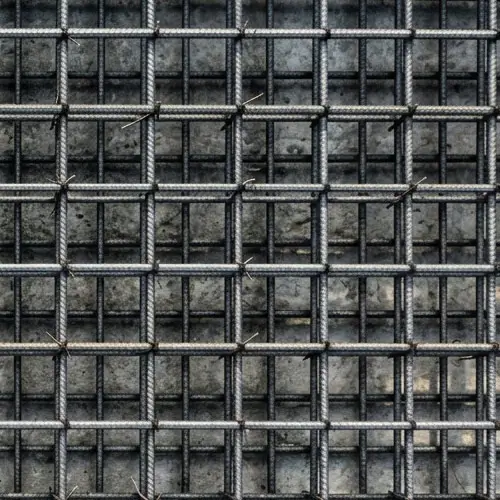
Rebar

Concrete will put up with a lot, but rust isn’t one of those things. Once rebar starts corroding inside a slab or column, the damage and the repair costs don’t wait.
In the United States, corrosion is a multi-billion-dollar drain on U.S. infrastructure. The Federal Highway Administration (FHWA) estimates the direct annual cost of corrosion to highway bridges at about US $8.3 billion.
In this article, you’ll learn how contractors and project managers can stop corrosion before it starts. We’ll walk through:
- Why rebar corrodes in the first place
- The environmental and construction-phase factors that accelerate damage
- Proven protection methods, from epoxy and stainless rebar to GFRP and coatings
- Field-tested jobsite practices extend the life of concrete work and many of the corrosion problems that surface later trace back to installation errors made during the pour itself.
- How to build a maintenance mindset that saves thousands over a project’s life
Causes of Rebar Corrosion
Corrosion doesn’t show up all at once. It starts slowly, usually with moisture and chlorides working their way through the concrete structures until they reach the steel.
Once that protective layer breaks down, rust spreads, and the concrete begins to crack from the inside out. Most corrosion issues trace back to a few predictable triggers.
Chlorides and Moisture Exposure
Chlorides are the biggest driver of rebar corrosion. They come from de-icing salts, road spray, marine environments, and certain industrial conditions. Once they penetrate the concrete, they disrupt the passive film on the steel and set the corrosion process in motion.
Regions like Idaho, Nevada, and the Pacific Northwest face this problem more often. Freeze-thaw cycles push moisture deeper into concrete. Road salts speed chloride intrusion during winter.
And cracks, leaky joints, or gaps in waterproofing become direct pathways for contaminants to reach the steel. When chlorides finally get in, corrosion can accelerate quickly.
Carbonation and Concrete Quality
Carbonation is another major contributor. As CO₂ from the air reacts with concrete, it lowers the pH and weakens the material’s ability to protect rebar. Poor-quality concrete makes this process even faster.
High water-cement ratios, low cement content, and inadequate curing all increase porosity. When concrete becomes more permeable, carbonation and chlorides can move freely and reach the steel much sooner.
Once the concrete loses its protective qualities, corrosion becomes far more likely.
Conditions That Accelerate Corrosion
Several job sites and environmental conditions can speed up the corrosion process. Porous concrete allows moisture to travel easily. Insufficient cover depth places the rebar too close to the surface. Existing cracks give contaminants a highway straight to the steel.
The local climate plays a major role as well. Salt-heavy air, large temperature swings, or consistent humidity can amplify every other risk factor.
Corrosion becomes far more predictable when you understand the conditions that invite it—and far easier to prevent.
Effects of Rebar Corrosion
Once corrosion starts, the damage rarely stays hidden for long. Rust expands as it forms, pushing outward on the surrounding concrete.
What begins as a chemical reaction quickly becomes a structural problem, and the longer it’s ignored, the more expensive it becomes to correct.
Structural Integrity Loss
Rust occupies significantly more volume than the original steel. As the rebar corrodes, it swells, creating internal pressure that cracks and displaces the concrete around it.
This process weakens beams, slabs, footings, and joints, often long before visible spalling appears on the surface.
Over time, key structural elements can lose a meaningful portion of their load-carrying capacity. On large projects, especially in bridges, parking decks, and multi-story buildings, that loss can trigger significant safety concerns and require major repair interventions.
Increased Repair Costs and Downtime
Corrosion repair is never a quick fix. Restoring damaged areas typically involves removing deteriorated concrete, cleaning or replacing the rebar, installing corrosion-resistant materials, and rebuilding the section with specialized repair products.
For active commercial or infrastructure sites, these repairs often disrupt operations. Unexpected downtime adds labor costs, delays schedules, and pushes ripple effects into other trades.
What starts as a localized corrosion issue can quickly grow into a costly, multi-phase repair project.
Inspection and Testing Requirements
Because corrosion can advance out of sight, early detection becomes a must. Engineers rely on tools like half-cell potential mapping, ground-penetrating radar, and chloride sampling to locate problem areas before the concrete fails.
Regular inspections help teams stay ahead of deterioration, but they also require planning and coordination. That’s especially accurate on DOT or public-sector projects where compliance with ACI, state specifications, and inspection protocols is mandatory.
Understanding these effects makes one thing clear: corrosion isn’t a material issue. Instead, think of it as a budgeting issue, a safety issue, and a lifecycle issue. The earlier it’s addressed, the easier it is to control.
Corrosion-Resistant Rebar Options
One of the most effective ways to prevent corrosion is to choose the right reinforcing material from the start. Modern projects have far more options than traditional black bars, and each comes with strengths, limitations, and ideal use cases.
Selecting the right material can dramatically extend the life of a structure while reducing long-term maintenance costs.
Epoxy-Coated Rebar
Epoxy-coated rebar remains one of the most widely used corrosion-resistant options in North America. The factory-applied coating acts as a barrier between the steel and chloride-rich environments, making it especially valuable in bridge decks, parking structures, and roadway projects.
The tradeoff is handling. Even small scratches or chips in the coating can become corrosion initiation points, so jobsite protection, careful tying, and proper storage matter. When installed correctly, an epoxy bar offers strong, cost-effective protection.
Stainless Steel Rebar
Stainless steel rebar delivers a higher level of corrosion resistance, even in aggressive environments. Unlike epoxy-coated rebar, its performance isn’t dependent on a surface coating.
It withstands both chloride intrusion and carbonation, making it a reliable choice for:
- Marine structures
- Water treatment facilities
- High-exposure bridge elements
- Long-life public infrastructure
While stainless steel has a higher upfront cost, its durability often pays off over the life of the structure, especially when replacement or downtime would be expensive.
GFRP and Composite Rebar (Including MST-BAR)
Composite bars, such as glass fiber reinforced polymer (GFRP), take corrosion resistance a step further by removing steel from the equation entirely. Products like MST-BAR, which many contractors in the Northwest already specify, are lightweight, strong, and completely non-corrosive.
These bars don’t rust even in environments with constant moisture or heavy salt exposure and their advantages go beyond corrosion resistance, covering strength, weight savings, and long-term value. They are increasingly used in:
- Bridge decks
- Parking garages
- Retaining walls
- Industrial facilities
- Wastewater and chemical treatment plants
Their light weight also reduces handling strain onsite, something crews appreciate more than the spec sheets ever say.
Understanding Coating and Handling Requirements
Every corrosion-resistant bar type comes with its own handling considerations. Coatings must remain intact. Storage must keep materials clean and dry. Transport should protect bars from abrasion.
Clear inspection criteria at each stage, from fabrication to installation, help prevent damage that could limit performance.
Choosing the right rebar upfront sets the foundation for long-term durability. The next step is protecting those materials with coatings, sealers, and admixtures that strengthen the system around them.
Protective Coatings and Treatments
Even with the right rebar, long-term durability depends on the system built around it. Protective coatings, sealers, and admixtures help keep moisture, chlorides, and carbonation away from the steel, whether you’re working on new construction or restoring aging concrete.
These treatments add relatively low cost upfront, but can prevent major structural problems down the road.
Surface-Applied Coatings
Surface coatings remain a proven line of defense in both new builds and repair work. Anti-corrosion paints, cementitious coatings, and specialty primers create a physical barrier around the reinforcing steel.
When applied correctly, they interrupt the electrochemical reaction that causes rust and help maintain the concrete’s protective environment.
These products are only as good as their application. Proper surface prep, coverage, and cure times matter. Coordination between crews, especially when multiple trades touch the same reinforcing system, keeps the coating intact from start to finish.
Penetrating Sealers and Corrosion-Inhibiting Admixtures
Reducing permeability is one of the most effective ways to limit corrosion. Penetrating sealers, especially silane- and siloxane-based products, soak into the concrete and repel water and chlorides.
They’re used heavily on bridge decks, elevated slabs, and any surface exposed to freeze–thaw cycles or de-icing salts.
Corrosion-inhibiting admixtures work from within the mix itself. Added during batching, they strengthen the concrete’s ability to resist chloride intrusion and slow the corrosion reaction at the steel.
On projects where long-term durability is a priority (parking structures, wastewater plants, transportation infrastructure), admixtures offer strong insurance against early deterioration.
Maintenance and Long-Term Care
Protective products aren’t a one-and-done solution. Maintenance plays a major role in keeping corrosion at bay. Regular cleaning, prompt crack repair, and periodic reapplication of sealers help keep contaminants from reaching the steel.
Digital documentation tools have made this easier. Contractors and owners can track inspections, schedule maintenance cycles, and flag small issues before they become expensive structural repairs.
A proactive maintenance plan is one of the most cost-effective ways to protect reinforced concrete.
Design and Construction Best Practices
Even the best materials can’t compensate for poor placement, weak concrete, or inconsistent site practices. Long-term corrosion resistance starts with the choices made long before concrete is poured.
Strong coordination between designers, suppliers, and field crews reduces risk and creates reinforced systems that hold up under real-world conditions.
Proper Concrete Cover and Rebar Placement
Cover depth is one of the simplest and most important defenses against corrosion. Too little cover leaves the bar exposed to moisture, chlorides, and carbonation. Too much can interfere with structural performance.
Local building codes and ACI guidelines specify minimum cover requirements based on exposure conditions, but field execution matters just as much as the drawings.
Accurate placement, reliable bar supports, and consistent spacing prevent weak spots and thin areas that invite corrosion. Good layout work today prevents expensive repairs later.
Quality Control During Pouring and Curing
Concrete that cures correctly is far less vulnerable to long-term deterioration. Moisture levels, temperature swings, and finishing timelines all influence permeability, and permeability determines how fast chlorides, water, and CO₂ reach the steel.
Daily checklists, trained inspectors, and consistent field documentation help teams catch problems early. Paying attention to weather changes, delivery timing, and finishing technique keeps the concrete’s protective qualities intact.
Drainage and Waterproofing
Water is the most persistent driver of corrosion, which makes drainage planning a must. Sloped surfaces, well-sized drains, and functioning waterproof membranes keep moisture away from structural elements.
Small details, like sealing joints, cleaning drains, or repairing a roof leak, have an outsized impact on long-term durability. Addressing drainage early prevents the recurring wetting and drying cycles that rapidly accelerate corrosion inside concrete.
Corrosion-Resistant Rebar in Northwest Projects
The Northwest puts reinforced concrete through harsher conditions than most regions. Heavy rainfall, long freeze–thaw seasons, de-icing salts, and wide daily temperature swings all speed up the corrosion process.
Because of this, many contractors in Idaho, Nevada, and neighboring states have shifted toward more durable materials and protection strategies. Not just for bridges and highways, but for everyday commercial and municipal projects.
How Regional Projects Are Adapting
Public agencies across the Northwest increasingly specify epoxy-coated or GFRP rebar in structures exposed to constant moisture or heavy salt use. New bridge decks, elevated slabs, and retaining structures frequently include corrosion-resistant materials as part of their base design.
Contractors are also using stainless or GFRP bars on parking garages and water or wastewater facilities, where aggressive, highly corrosive environments break down traditional steel far more quickly. These upgrades often reduce long-term maintenance cycles and help owners avoid disruptive shutdowns years down the road.
Local Codes and Compliance Considerations
Building codes and DOT requirements in the region continue to evolve as corrosion research advances. ACI guidelines, state amendments, and material specifications dictate everything from cover depth to concrete composition to acceptable reinforcement types.
Teams that stay current on these updates, through regular training, internal reviews, and supplier partnerships, tend to catch issues early and avoid costly rework. Code compliance isn’t just paperwork; in high-exposure regions, it’s central to long-term durability.
Working With Technical Partners
Many successful Northwest contractors lean on specialists when selecting rebar, coatings, and admixtures. Engineers and materials experts can analyze site corrosive conditions, test concrete samples, review rebar placement, or troubleshoot corrosion concerns before they spread.
Whether it’s a forensic review on an older structure or support during a new build, leveraging technical partners adds another layer of protection. And often prevents the kind of oversights that lead to expensive repairs.
Keeping Reinforced Concrete Durable for Decades
Rebar corrosion isn’t inevitable. It’s a predictable problem with proven solutions, and the crews who plan for it early save the most time and money. Choosing the right reinforcement, using protective coatings and sealers, and keeping site practices consistent all help prevent the cracking and spalling that drive up lifecycle costs.
A proactive approach protects schedules, budgets, and the reputation of everyone on the project. Whether you’re building new infrastructure or extending the service life of an existing structure, corrosion control is one of the smartest choices you can make.
Contractors across Idaho, Nevada, and the Northwest are already shifting toward more durable materials and long-term protection strategies.
If you’re weighing options for an upcoming project or troubleshooting issues in the field, Concrete Construction Supply can help you find the right products and support to keep reinforced concrete performing the way it should. Reach out now!
How Rebar Tying Experts Improve Safety and Accuracy on Complex Concrete Projects

Modern Concrete Construction Techniques That Improve Project Efficiency
Why Are More Contractors Choosing MST Rebar Over Traditional Steel Rebar?
What Type of Concrete Form is Best for Walls, Slabs, and Foundations?

7 Benefits of Using Modular Concrete Forms for Faster and More Efficient Projects
Share
Recent Posts
June 2, 2026
How Rebar Tying Experts Improve Safety and Accuracy on Complex Concrete Projects
Key Takeaways: On a complex concrete project, a single misplaced or improperly tied rebar connection is enough to compromise the entire structural integrity...
June 1, 2026
Modern Concrete Construction Techniques That Improve Project Efficiency
Concrete construction has changed dramatically over the last decade. Contractors across Idaho and the Northwest are under pressure to complete projects faster, manage...
May 19, 2026
Why Are More Contractors Choosing MST Rebar Over Traditional Steel Rebar?
Key Takeaways Generally speaking, steel rebar has been the go-to option in concrete reinforcement for generations. However, being the “go-to option” doesn’t mean...