
Rebar
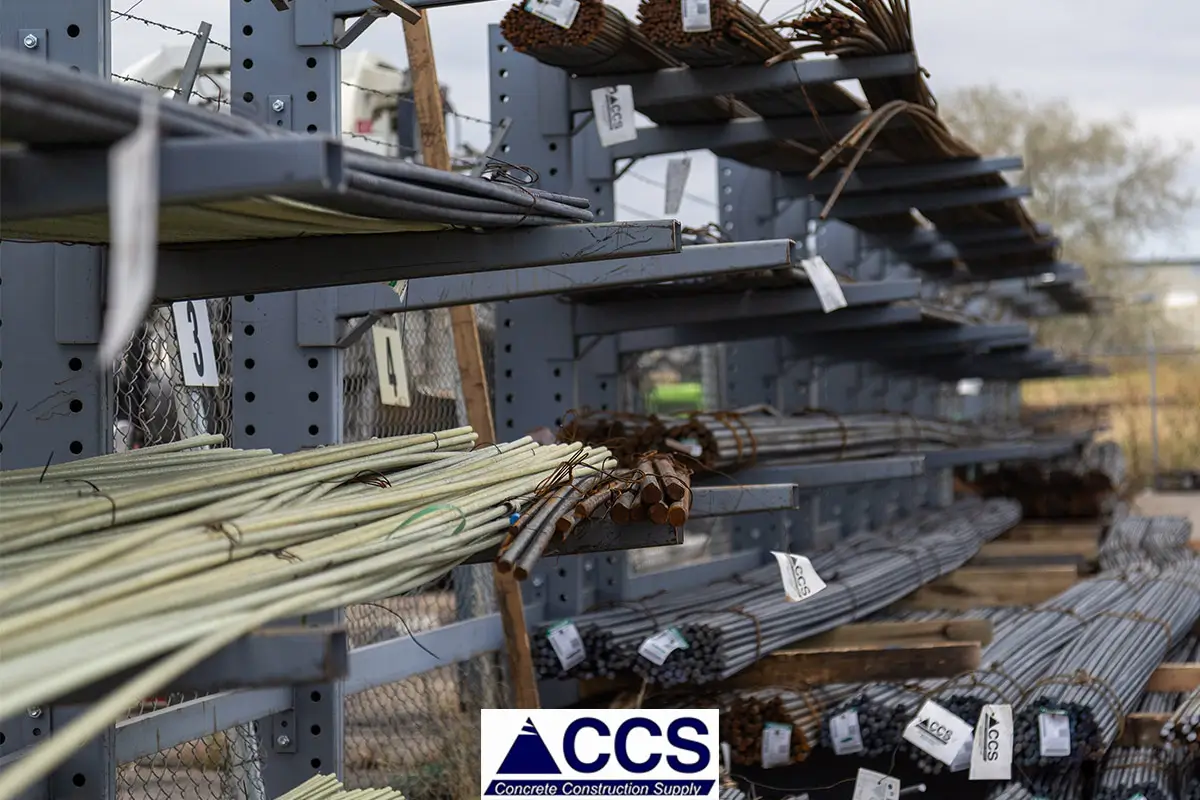
Key Takeaways
- MST fiberglass rebar weighs about a quarter of traditional steel rebar, reducing handling demands and labor costs.
- Glass fiber reinforced polymer (GFRP) construction makes MST rebar fully non-corrosive.
- MST rebar installs in roughly half the time of steel, increasing crew productivity.
- Non-conductive properties make MST bar a safer choice in electrically sensitive environments.
- MST rebar performs reliably in extreme heat, cold, and chemical exposure, demanding conditions that are common throughout Northwest Idaho construction.
- Concrete Construction Supply is a stocking MST rebar supplier serving Idaho and the surrounding region.
Generally speaking, steel rebar has been the go-to option in concrete reinforcement for generations. However, being the “go-to option” doesn’t mean it remains the king of the hill, at least not any longer.
On jobsites across Idaho and the Northwest, contractors are taking a hard look at the problems that stem from traditional steel rebar, like corrosion in harsh environments, heavy handling that slows installation, ongoing maintenance costs, and long-term structural compromise when moisture and chemicals do their thing.
MST fiberglass rebar is changing that calculation. Built specifically for the demands of modern concrete construction, MST fiberglass rebar delivers performance advantages that are pushing more crews to make the switch on foundations, flatwork, ICF walls, and commercial structures.
What Is MST Fiberglass Rebar?
MST rebar is a high-performance concrete reinforcement bar manufactured from glass fiber reinforced polymer (GFRP), a composite material that combines the tensile strength needed for structural reinforcement with properties that traditional steel rebar simply can’t match.
Unlike steel, GFRP rebar is non-corrosive, non-conductive, and significantly lighter, making it a specifically engineered solution for contractors who need durable reinforcement that holds up under long-term environmental exposure.
The MST bar is designed with an integral rib pattern that mechanically locks with surrounding concrete, creating a strong, reliable bond between the reinforcement and the concrete structure. This isn’t a compromise type of product. It’s a purpose-built material that offers high tensile strength and better long-term performance in environments where steel is vulnerable.
Why Is MST Fiberglass Rebar Outperforming Traditional Steel?
MST rebar solves problems that steel has never been able to fully address. From corrosion vulnerability to handling demands and installation speed, the performance gap between the two materials is clear when you place them side by side on a job site.
Corrosion Resistance That Steel Can’t Match
Corrosion is the single largest long-term failure point for steel-reinforced concrete structures. When moisture, road salts, chemical exposure, or soil conditions breach the concrete cover, steel rebar begins to rust.
As it corrodes, it expands, cracking and spalling the surrounding concrete and compromising the structural integrity of the entire element. The repairs builders experience from corroded steel reinforcement are costly, disruptive, and entirely preventable.
MST fiberglass is non-corrosive, containing no steel and carrying no risk of rust under any environmental conditions. This is true regardless of Idaho freeze-thaw cycles, alkaline soils, de-icing chemicals on road slabs, or moisture-heavy foundation environments across the Northwest.
Significantly Lighter: MST is About a Quarter the Weight of Steel
Traditional steel rebar is heavy. Moving, positioning, and tying it demands a good deal of physical labor. Fatigue-related errors can accumulate over the course of a long pour day (imagine doing this in the middle of a hot summer). MST bar fiberglass rebar weighs about a quarter of what comparable steel rebar weighs, a difference that is immediately felt on the jobsite.
Lighter rebar also means easier transport from staging areas, faster repositioning in formwork, and reduced physical strain on workers. It also reduces shipping costs when bulk supplies are en route to large projects.
Crews that switch from steel to MST bar consistently report that the lighter weight alone helps reduce workplace injury risk and keeps productivity higher across an entire workday.
Faster Installation: Takes Half the Time
As you can imagine, material that is four times lighter than steel will be easier to move around and handle. Time on the jobsite is money, at the end of the day, and installing MST fiberglass rebar takes half the time compared to traditional steel rebar in equivalent applications.
With half the number of worker-hours required to place the same amount of reinforcement, crews can complete more pours per week, take on more projects, and reduce the overall labor cost per cubic yard of reinforced concrete.
For Idaho contractors managing tight schedules on commercial slabs, foundation walls, and ICF construction, that installation speed advantage stacks quickly throughout a full construction season.
Non-Conductive for Safer, More Versatile Applications
Steel rebar conducts both heat and electrical current, a limitation that restricts its use in certain applications and creates safety considerations in others. MST bar is completely non-conductive, making it the preferred reinforcement choice for:
- ICF walls and ICF blocks where thermal bridging is a performance concern.
- Structures near electrical infrastructure or utilities.
- MRI facilities, data centers, and other environments are sensitive to electromagnetic interference.
- Any application where conductivity creates a structural or safety risk.
The non-conductive properties of MST fiberglass rebar open up applications where traditional steel rebar isn’t the right fit.
Durability Across Extreme Conditions
Northwest construction environments are demanding. Idaho projects have to contend with winters, freeze-thaw cycles, alkaline soils, and seasonal moisture that test the durability of every material on the jobsite.
MST rebar is engineered for this kind of environmental exposure. It does not conduct heat or cold the way steel does, resists chemical degradation from chlorides and alkalis, and maintains its structural integrity without the ongoing maintenance that steel-reinforced concrete eventually requires.
For foundation, flatwork, retaining walls, and other structures expected to perform for decades without intervention, MST rebar is a more durable solution that reduces lifecycle costs from the start.
Where MST Fiberglass Rebar is Being Used
Contractors across Idaho and the Northwest are putting MST bar to work across a wide range of applications:
- Foundations and Footings: Where soil chemistry and moisture exposure make corrosion resistance critical.
- Flatwork and Slabs: Where lighter weight accelerates placement and reduces labor costs.
- ICF Walls: Non-conductive reinforcement aligns with the thermal performance goals of ICF construction.
- Bridge Decks and Road Infrastructure: De-icing chemical exposure makes steel a long-term liability.
- Retaining Walls and Seawalls: Environmental exposure is constant, and repairs are expensive.
- Commercial and Industrial Buildings: Durability and low maintenance are priorities alongside structural performance.
How Does MST Rebar Compare to Other Fiberglass Rebars?
Not all GFRP rebar is the same. MST rebar is specifically engineered with high tensile strength, an integral rib design for superior mechanical bond, and quality control standards that give it a performance edge over other fiberglass rebars on the market.
The unique properties of MST bar, including its consistent fiber-to-resin ratio and surface profile, make it a material that structural engineers and contractors can specify with confidence on demanding construction projects.
Get MST Fiberglass Rebar from Concrete Construction Supply
More contractors prefer MST fiberglass rebar because it solves significant problems, like corrosion, weight, installation time, and long-term maintenance, without sacrificing the tensile strength and structural reliability that concrete reinforcement demands.
For foundation crews, flatwork contractors, commercial builders, and structural teams throughout Idaho and the Northwest, MST rebar is a high-performance upgrade that pays for itself in labor savings and reduced lifecycle costs. Concrete Construction Supply stocks MST fiberglass rebar and serves construction professionals throughout Idaho and the surrounding region. Contact our team today to discuss your project requirements, check availability, or get a quote for your next pour.
Why Are More Contractors Choosing MST Rebar Over Traditional Steel Rebar?
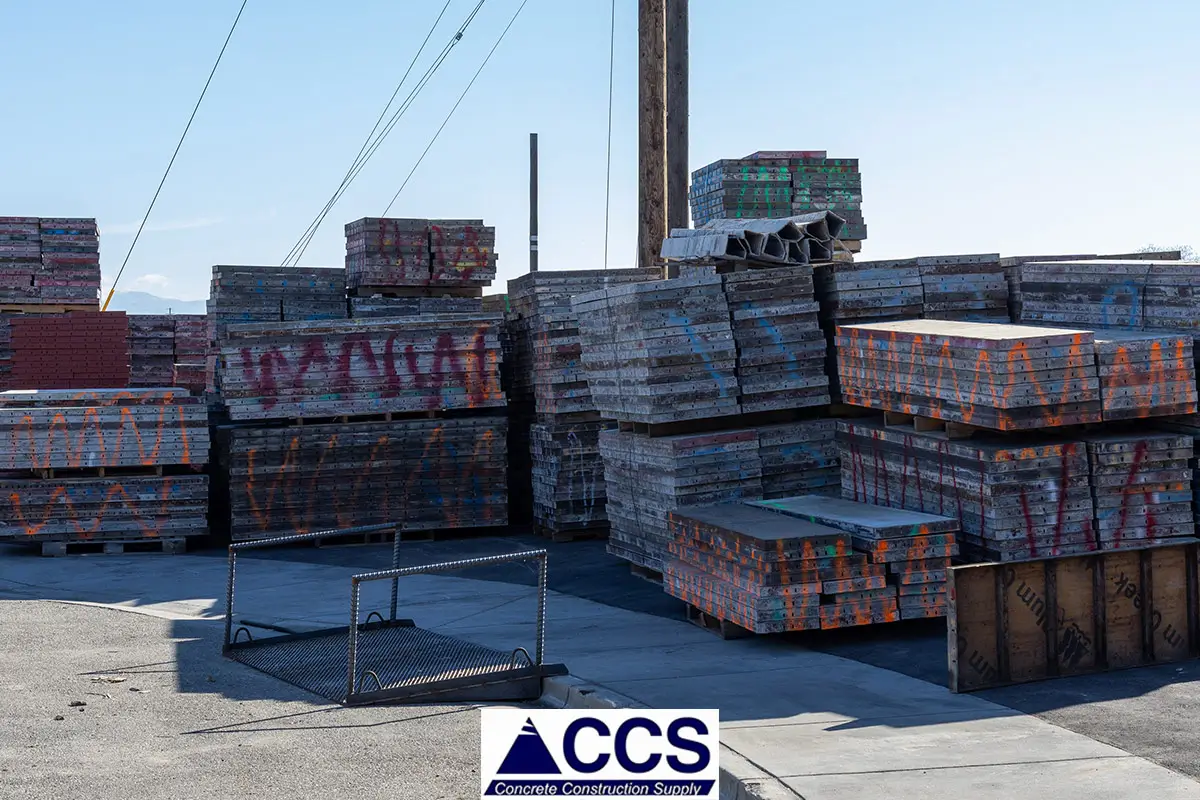
What Type of Concrete Form is Best for Walls, Slabs, and Foundations?

7 Benefits of Using Modular Concrete Forms for Faster and More Efficient Projects
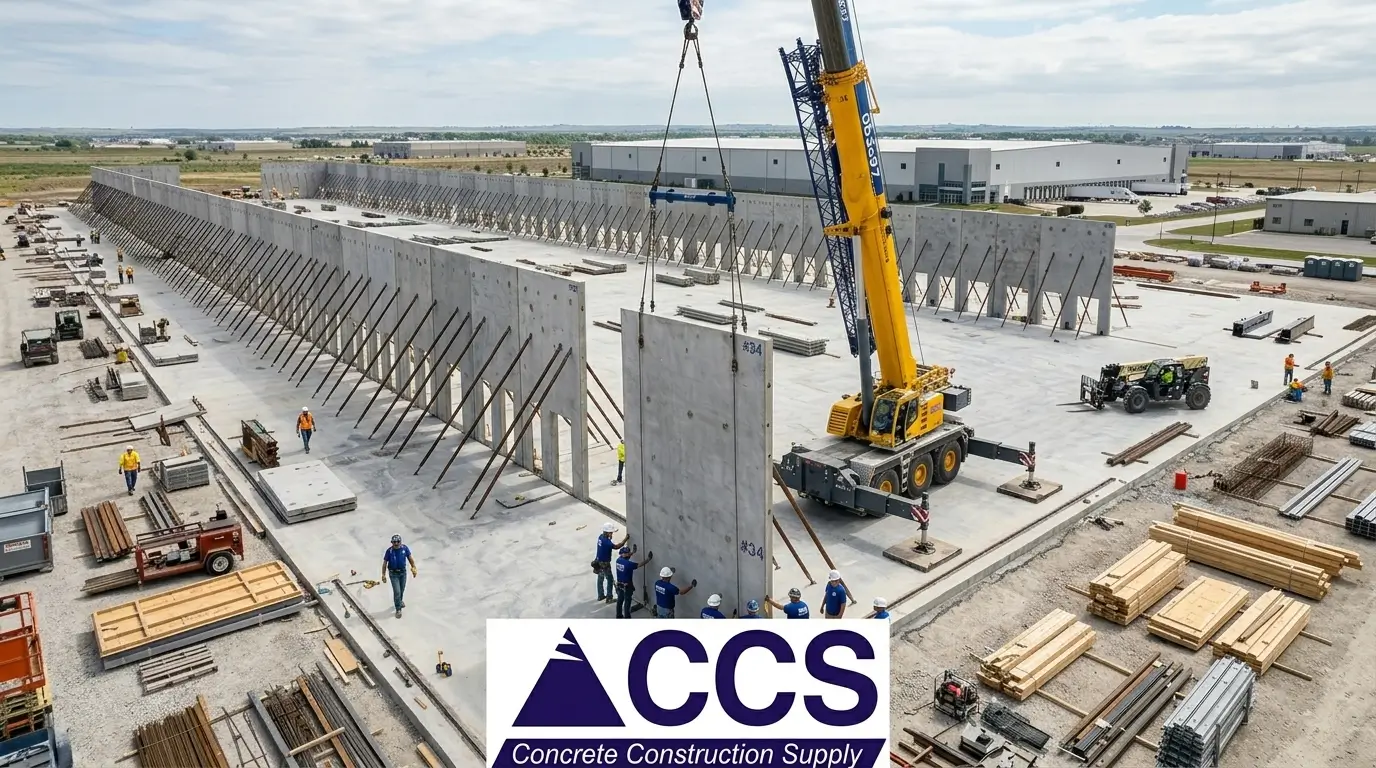
How Tilt Wall Panels Improve Efficiency and Reduce Labor in Large-Scale Projects?

Stamped vs Decorative Concrete: What’s the Difference?
Share
Recent Posts
May 19, 2026
Why Are More Contractors Choosing MST Rebar Over Traditional Steel Rebar?
Key Takeaways Generally speaking, steel rebar has been the go-to option in concrete reinforcement for generations. However, being the “go-to option” doesn’t mean...
May 14, 2026
What Type of Concrete Form is Best for Walls, Slabs, and Foundations?
Key Takeaways: Choosing the wrong formwork can easily slow your project to a crawl. A bad choice can compromise structural integrity, inflate your...
May 6, 2026
7 Benefits of Using Modular Concrete Forms for Faster and More Efficient Projects
Key Takeaways: Building Smarter, Not Harder Time is money in modern construction, and delays inevitably eat into both budget and reputation. However, remaining...

