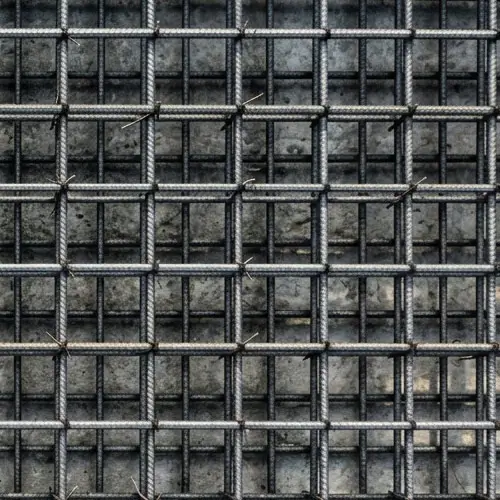
Rebar
Key Takeaways:
- MST-BAR fiberglass delivers higher tensile strength, better corrosion resistance, and longer durability than traditional steel rebar.
- It is significantly lighter, easier to handle, and can reduce labor costs and long-term maintenance costs on Northwest construction projects.
- For Idaho and Inland Northwest construction in harsh, corrosive environments, MST-BAR is typically the right material for reinforcing concrete structures.
MST-BAR Fiberglass Rebar vs Steel Rebar: Why It Matters
Comparing fiberglass rebar vs steel rebar is partly a matter of predictability. How will the concrete perform 10, 20, or even 75 years from now?
Fiberglass options like MST-BAR are fundamentally changing how Idaho and Northwest builders consider fiberglass rebar vs steel rebar, especially in projects exposed to freeze-thaw cycles, deicing salt, and moisture.
MST-BAR is a glass fiber reinforced polymer (GFRP) composite material designed to lock into concrete and outperform carbon steel. It offers excellent tensile strength, improved bond to concrete structures, and non-corrosive performance in corrosive environments that would damage steel over time.
Comparing Performance and Durability
One of the defining aspects of this comparison is corrosion. Steel rebar will eventually rust, expand, and create internal pressure that leads to cracks and spalling in concrete, especially where road salt, deicers, and moisture are prevalent.
Simply put, traditional steel rebar is strong but susceptible to harsh environmental conditions like Idaho’s freeze-thaw cycles, bridge decks, and parking structures. MST-BAR fiberglass rebar is non-corrosive and non-conductive. It will not rust or react with chemicals or moisture in the mix or in the surrounding soil.
If the goal is the longevity and durability of the structure, fiberglass rebar delivers roughly three times the tensile strength and high-fatigue resistance of steel rebar. That high tensile strength allows you to meet engineering requirements with less overall material in many designs, while still achieving excellent performance.
At the same time, MST-BAR is about a quarter the weight of steel. MST-BAR’s significantly lighter weight improves ease of transport, especially on-site. Crews can carry longer bundles per trip, stage more rebar by hand, and complete installation faster without extra equipment or crane time.
Easier handling and faster installation reduce labor costs, help control overall labor exposure, and shorten schedules on walls, footings, and slabs.
Thermal Performance and Non-Conductivity
Another advantage of MST-BAR fiberglass rebar is its low thermal conductivity. Unlike steel, which can create thermal bridges in building envelopes and slabs, GFRP rebar doesn’t conduct heat or cold to the same degree. This improved thermal performance is an important consideration for ICF walls, insulated slabs, and energy-efficient concrete structures where the reinforcement should work with the insulation.
MST-BAR is non-conductive electrically, a property that also makes it a natural fit for ICF construction, where maintaining a continuous thermal barrier is as important as the structural reinforcement itself.
It’s also a smart option for chemical plants, light rail, and other specialized construction industry applications throughout Idaho, Nevada, and the broader Northwest region.
Cost Considerations Upfront vs Long-Term
From a purely per-bar standpoint, fiberglass rebar is more costly than steel rebar. However, cost considerations look at the full life cycle of the project, not just the material price per linear foot.
Speaking of linear foot, these light bars load far more per linear foot per truck, reducing freight costs and simplifying the logistics for remote jobs across Idaho, Eastern Oregon, and Nevada. Lower shipping costs, quicker installation, and the potential for fewer workers tend to reduce labor costs while still meeting engineering requirements.
In terms of maintenance, short and long-term, bigger savings come into play. Because MST-BAR won’t corrode and resists chemicals, salt, and moisture, owners face fewer repairs, reduced maintenance costs, and less downtime over the full lifecycle of the concrete. The same infrastructure cost problem that rebar corrosion creates annually across U.S. bridges and parking structures simply doesn’t apply.
For parking garages, bridges, and municipal construction, the ability to avoid future patching, protective coatings, and re-work outweighs the initial price differences between the two materials.
Where Fiberglass Rebar Really Shines
In coastal regions, bridge decks, industrial floors, wastewater facilities, and chemical plants, structures are constantly exposed to corrosive environments. MST-BAR thrives in these conditions because it simply ignores them. It doesn’t require extra protective coatings to survive.
For Northwest construction projects in river crossings, snow-exposed highways, or deicing zones, durability is a vital consideration. Idaho and Inland Northwest coastal areas may be limited, but local jobs still face road salt, fertilizers, and thaw cycles that punish traditional steel rebar.
MST-BAR’s durability and long-term performance make it a fantastic choice for retaining walls, foundations, slabs, and ICF walls where you need reinforcement to withstand decades of exposure with virtually zero maintenance, and the specific reasons why go beyond corrosion resistance alone.
When Traditional Steel Rebar Still Fits
There are still places where traditional steel rebar makes sense. For instance, some heavily congested details, very high temperature environments, or legacy designs often call for steel. Steel rebar is also familiar to every crew, and in short-term, low-risk construction, where corrosion is not a concern, it can still be a cost-effective option.
Concrete Construction Supply continues to fabricate, bend, and deliver steel rebar packages across Idaho, Nevada, and the greater Northwest region. If you are working on quick commercial pads, interior walls, or temporary structures, where maintenance and lifecycle costs are less of a concern, traditional steel may fit your project’s goals.
Choosing the Right Material for Your Northwest Project
For contractors in Boise, Meridian, Coeur d’Alene, Twin Falls, and job sites across the region, selecting the right material for reinforcing concrete boils down to environment, lifespan, and budget. MST-BAR fiberglass rebar excels when corrosion resistance, longevity, and low maintenance are essential goals.
Traditional steel remains the best option where initial costs, legacy details, or specific design constraints favor it.
At Concrete Construction Supply, we help you evaluate factors like exposure, labor costs, schedule, and code requirements so you match the reinforcement to the project rather than forcing a one-size-fits-all answer. Whether you need MST-BAR by the linear foot, complete MST structural packages, or custom-bent steel rebar, our team will detail, fabricate, and deliver to your jobsite with the speed Idaho builders expect.
Get MST-BAR Fiberglass Rebar from Concrete Construction Supply
If you are weighing the pros and cons of fiberglass rebar vs steel rebar for an upcoming pour, this is the time to develop a reinforcement plan that protects your concrete and your budget for decades.
MST-BAR’s lightweight handling, excellent tensile strength, and superior corrosion resistance provide Northwest contractors with a proven path to stronger, longer-lasting concrete structures with lower long-term costs and less jobsite risk.
Visit Concrete Construction Supply’s MST page to explore MST-BAR fiberglass rebar options, or call your nearest Idaho or Nevada branch today to schedule delivery, request takeoffs, or talk through the engineering factors involved in your next construction project.Are you ready to upgrade your reinforcement and protect your concrete from corrosion and rust? Contact Concrete Construction Supply and put MST-BAR to work on your next project!
How Rebar Tying Experts Improve Safety and Accuracy on Complex Concrete Projects

Modern Concrete Construction Techniques That Improve Project Efficiency
Why Are More Contractors Choosing MST Rebar Over Traditional Steel Rebar?
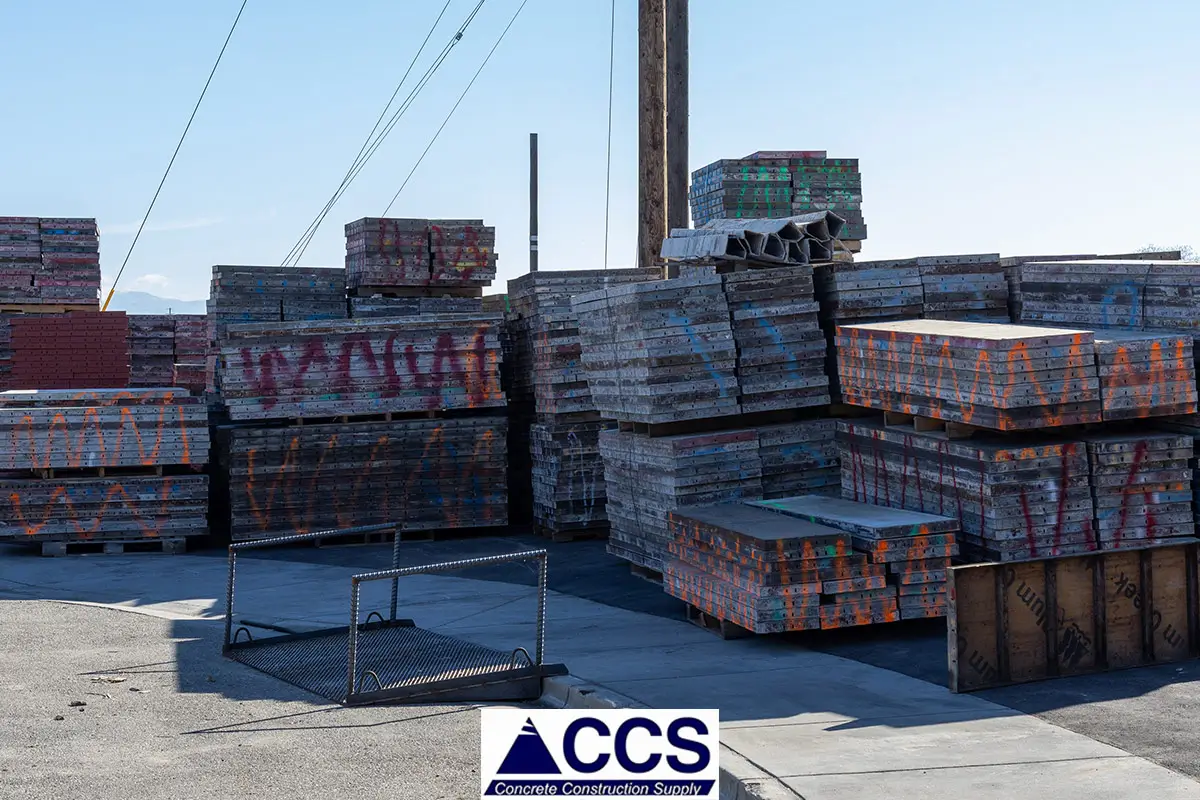
What Type of Concrete Form is Best for Walls, Slabs, and Foundations?

7 Benefits of Using Modular Concrete Forms for Faster and More Efficient Projects
Share
Recent Posts
June 19, 2026
How Rebar Tying Experts Improve Safety and Accuracy on Complex Concrete Projects
Key Takeaways: On a complex concrete project, a single misplaced or improperly tied rebar connection is enough to compromise the entire structural integrity...
June 1, 2026
Modern Concrete Construction Techniques That Improve Project Efficiency
Concrete construction has changed dramatically over the last decade. Contractors across Idaho and the Northwest are under pressure to complete projects faster, manage...
May 19, 2026
Why Are More Contractors Choosing MST Rebar Over Traditional Steel Rebar?
Key Takeaways Generally speaking, steel rebar has been the go-to option in concrete reinforcement for generations. However, being the “go-to option” doesn’t mean...