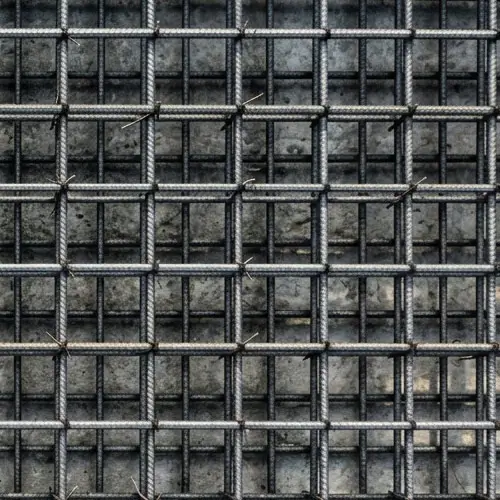
Shoring Systems

Key Takeaways:
- Shoring posts and jacks provide temporary vertical support for concrete slabs, beams, and formwork.
- Adjustable screw jacks allow crews to fine-tune height and load distribution quickly.
- Reshoring is a critical but often overlooked step.
- Properly selected and spaced shoring systems reduce the risk of formwork failure.
- Concrete contractors in Idaho and Nevada can rent shoring equipment through Concrete Construction Supply rather than purchasing for every project.
A freshly poured concrete slab may look solid, but that does not mean it is fully cured or ready to support construction loads. Concrete takes time to develop the strength needed to safely carry formwork, equipment, workers, and additional structural loads.
Shoring posts and jacks are the temporary vertical support structures that hold beams, slabs, walls, and formwork in place while the concrete beneath them cures. These systems maintain structural stability and help keep crews safe until the work can stand on its own.
Understanding how these systems work and when to use them is essential knowledge for any concrete contractor, site supervisor, or formwork crew on commercial and residential projects.
What Are Shoring Posts?
Shoring posts, sometimes called post shores or adjustable steel posts, are vertical support members designed to carry vertical loads from above. They’re used throughout concrete construction projects to hold up freshly poured slabs, support beam formwork, and brace walls during and after a pour.
Most shoring posts feature a threaded screw mechanism at the top or bottom that allows for quick height adjustment. This is one of their most practical advantages on job sites, since concrete floors are rarely perfectly level, and the ability to dial in exact height without shimming or cutting saves time during setup.
If sized and spaced correctly, shoring posts are one of the most reliable tools a concrete crew has for maintaining stable formwork and keeping pours on schedule.
What Are Screw Jacks and How Do They Work?
Screw jacks are the adjustable components, either integrated into a shoring post or used as standalone base and top plates, that allow crews to transfer and distribute load with precision. A typical post-shore assembly includes a top screw jack that contacts the form or beam above and a base plate that spreads the load across the floor below.
The screw mechanism allows for fine vertical adjustment, which matters when:
- Working on sloped or uneven subfloor surfaces.
- Accommodating slight variations in form height across a long span.
- Making load adjustments after initial placement without resetting the entire system.
Well-maintained screw jacks should thread smoothly and lock securely under load. Bent or stripped threads are a safety concern and should be pulled from service immediately.
What Is Reshoring and Why Is It Important?
Reshoring is one of the most important and most misunderstood concepts in multi-story concrete construction.
According to the American Concrete Institute’s ACI 347 Guide to Formwork for Concrete, shoring and reshoring systems should be designed to safely support anticipated construction loads until the concrete reaches sufficient strength.
When an upper floor slab is poured, the weight of that fresh concrete and its formwork transfers down through the structure. If lower-level slabs aren’t fully cured, the load can cause cracking, deflection, or failure.
Reshoring addresses this by installing new shoring supports after the original formwork has been stripped, maintaining load transfer through the structure until all slabs have reached design strength. The difference between shoring and reshoring is timing.
- Shoring supports a slab while it cures from above.
- Reshoring supports a previously stripped slab from below while new pours happen above it.
Skipping or under-designing reshoring is one of the most serious risks in multi-floor concrete construction projects, and it’s an area where working from a proper shoring plan makes a significant difference in both safety and structural outcome.
How Are Shoring Systems Designed for Concrete Construction?
Concrete shoring systems are designed to be assembled, adjusted, and struck efficiently without specialized tools or heavy equipment. Most systems are engineered around a few core components:
- Adjustable steel posts in standard height ranges, often from approximately 5′ to 16′, depending on the system and application.
- Top and base screw jacks for height adjustment and load distribution.
- Stringers and joists that span between post tops to support slab formwork.
- Ledger plates and u-heads that seat beams and form lumber securely.
The best system for a given project depends on slab thickness and weight, span lengths, pour sequence, and the number of floors involved.
How Are Shoring Posts and Jacks Used in Different Applications?
The most common use is in elevated slab formwork. Posts support a grid of stringers and joists that hold the decking panels on which the concrete is poured. Once the slab reaches adequate strength, the formwork is stripped. However, reshoring may remain until the full design strength is achieved.
Heavy beam pours require more concentrated shoring support. Posts are typically placed closer together beneath beam forms to manage the significantly higher load per linear foot compared to flat slab work.
Then there’s wall bracing. Tilt-up and precast concrete panels need temporary lateral bracing immediately after placement. Adjustable braces, a variation of the same post-and-jack concept, hold panels plumb until connections are made and the structure becomes self-supporting.
Lastly, there’s foundation and underground work. Shoring systems also support excavation walls and trench sides in some foundation applications, though this crosses into soil shoring territory with its own engineering requirements.
How Do I Choose the Right Shoring System for My Project?
Choosing the right shoring system boils down to four primary factors.
1. Load Capacity
What is the weight of the wet concrete, formwork, and construction live loads that the system will need to carry?
2. Height Range
What floor-to-ceiling heights are involved, and do you need extensions or specialized tall-post configurations?
3. Spacing Requirements
What post spacing does your engineer of record specify, and does your equipment inventory support that grid?
4. Project Duration and Rental vs. Purchase
For shorter projects or contractors who don’t want to carry shoring inventory, equipment rental is often the more practical and expedient option.
For most commercial concrete construction projects in Idaho and Nevada, renting instead of purchasing shoring equipment is the standard approach. It keeps capital tied up in equipment from sitting idle between projects and makes sure you have access to properly maintained components instead of pulling from an aging inventory.
Work With a Supplier Who Knows Concrete Shoring
Shoring posts and jacks are straightforward in concept but critical in execution. The best equipment, properly spaced and adjusted to your specific pour, is what keeps formwork from moving, slabs from deflecting, and crews from working in unnecessarily dangerous conditions.
Concrete Construction Supply provides concrete shoring systems for contractors across Idaho and Nevada, with rental inventory designed to meet the demands of commercial and residential concrete construction projects.
If you need post shores for a single elevated slab or a complete reshoring program for a multi-story structure, our team will help you specify the right equipment for your job. Contact Concrete Construction Supply to discuss your project’s shoring needs and get your equipment ready before your next pour.
What Are Shoring Posts and Jacks Used for in Concrete Construction?
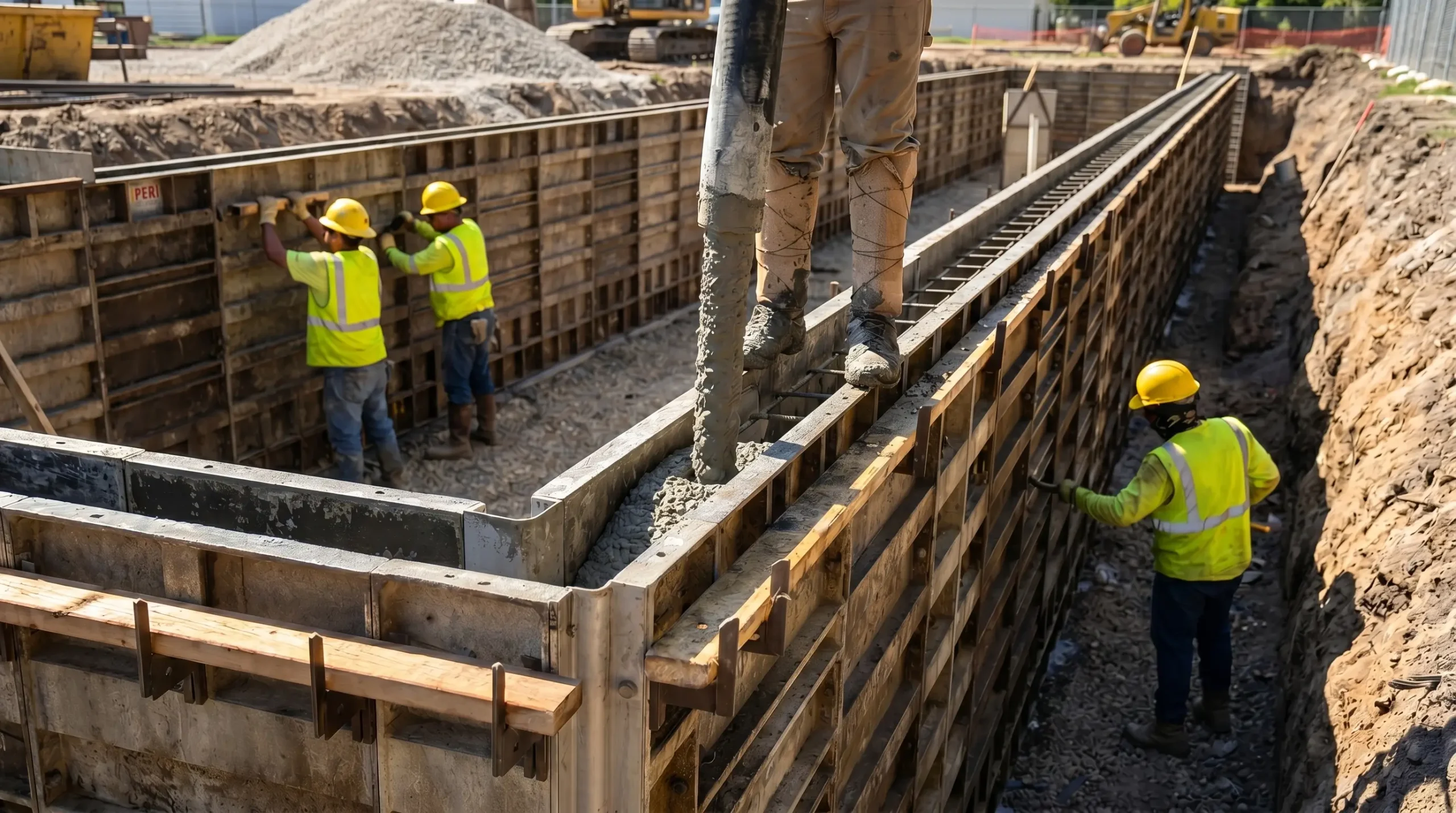
How Basement Panel Rentals Help Speed Up Building Foundation Projects
How Rebar Tying Experts Improve Safety and Accuracy on Complex Concrete Projects
Why Are Engineered Bracing Plans Essential for Tilt-Up Concrete Panels?
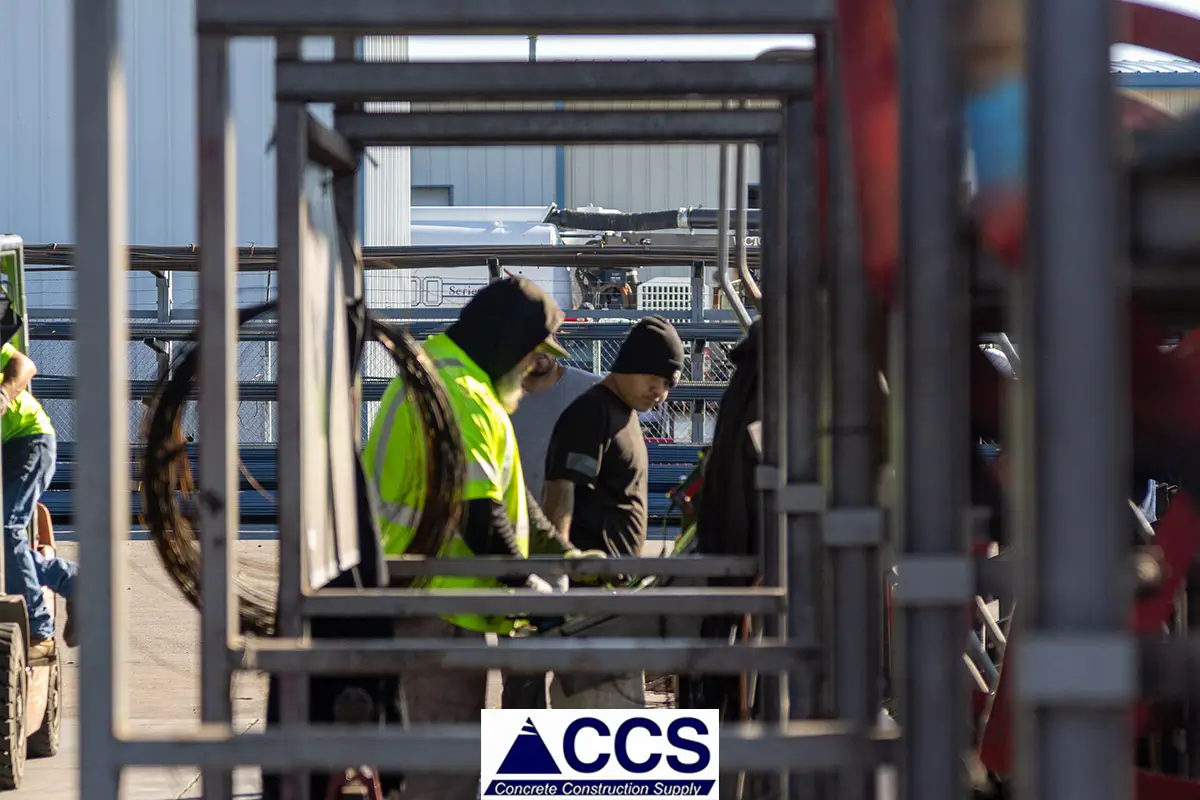
How Modern Shoring Systems Support Walls, Slabs, and Excavations Safely
Share
Recent Posts
July 3, 2026
What Are Shoring Posts and Jacks Used for in Concrete Construction?
Key Takeaways: A freshly poured concrete slab may look solid, but that does not mean it is fully cured or ready to support...
June 23, 2026
How Basement Panel Rentals Help Speed Up Building Foundation Projects
Today, every successful construction project begins with a solid foundation. While the finished structure gets most of the attention, the speed and quality...
June 19, 2026
How Rebar Tying Experts Improve Safety and Accuracy on Complex Concrete Projects
Key Takeaways: On a complex concrete project, a single misplaced or improperly tied rebar connection is enough to compromise the entire structural integrity...